
Receive Up to a 20% Discount on Your AI Insurance Premium
By assessing and quantifying your enterprise's GenAI financial risk exposure, Kovrr's AI Risk Governance suite gives you a comprehensive, insurer-relevant view of AI risk in a market still adapting to AI exposure. Continuous monitoring of shadow AI, third-party dependencies, compliance posture, and modeled financial impact combined helps demonstrate stronger control and qualifies your organization for reduced AI insurance premiums.
Unlock My Exclusive AI Insurance Discount
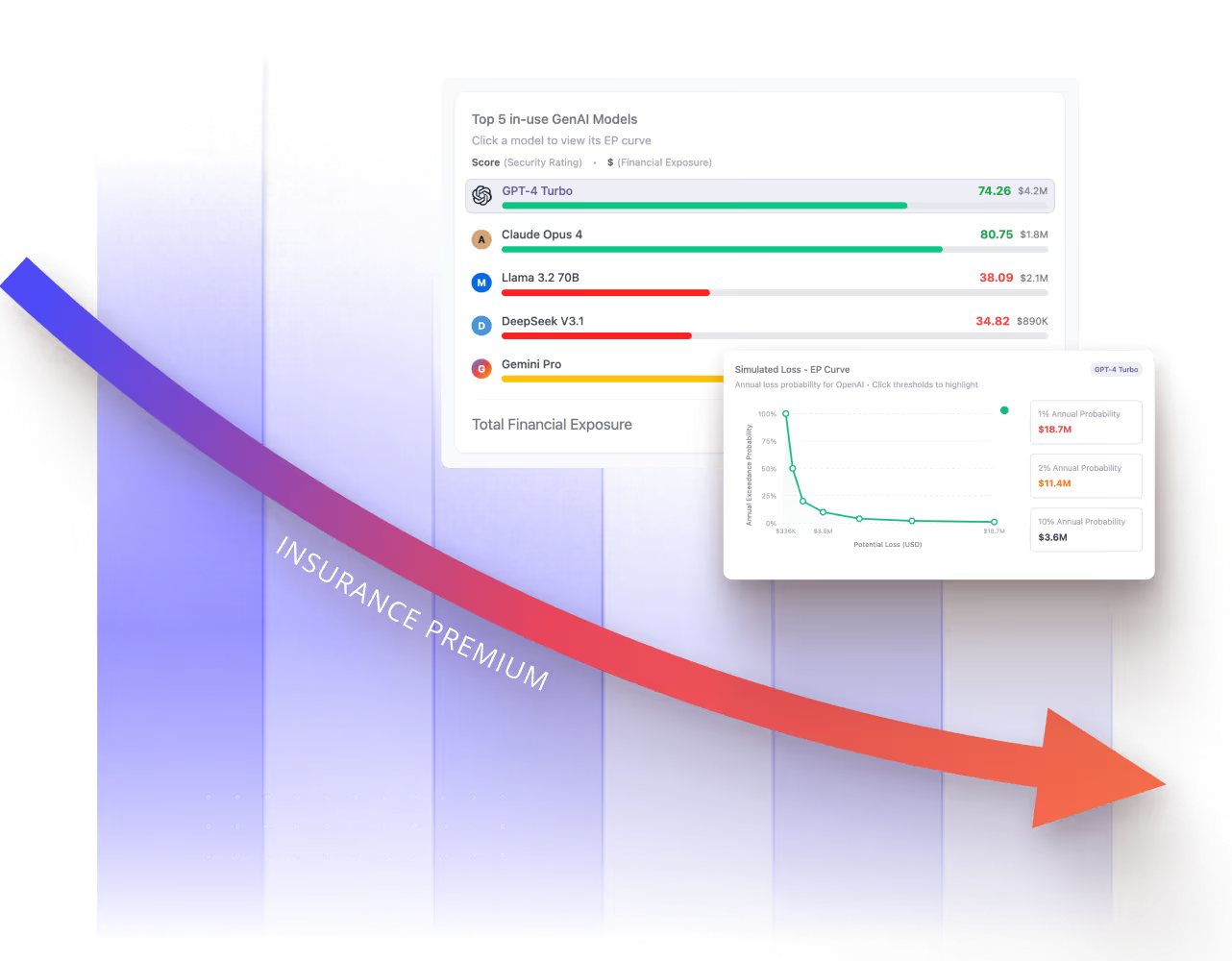
What Insurers Need to See to Price AI Risk
AI underwriting for GenAI remains largely questionnaire-driven and subjective. At the same time, AI-related claims are beginning to surface across multiple lines of coverage, while much existing policy language was developed for a pre-AI world. This disconnect leaves insurers pricing risk amid evolving exposure and limited certainty. As underwriting adapts, objective, evidence-based profiling of AI governance becomes increasingly important. Quantified, verifiable risk data supports more precise pricing and strengthens the case for premium discounts.
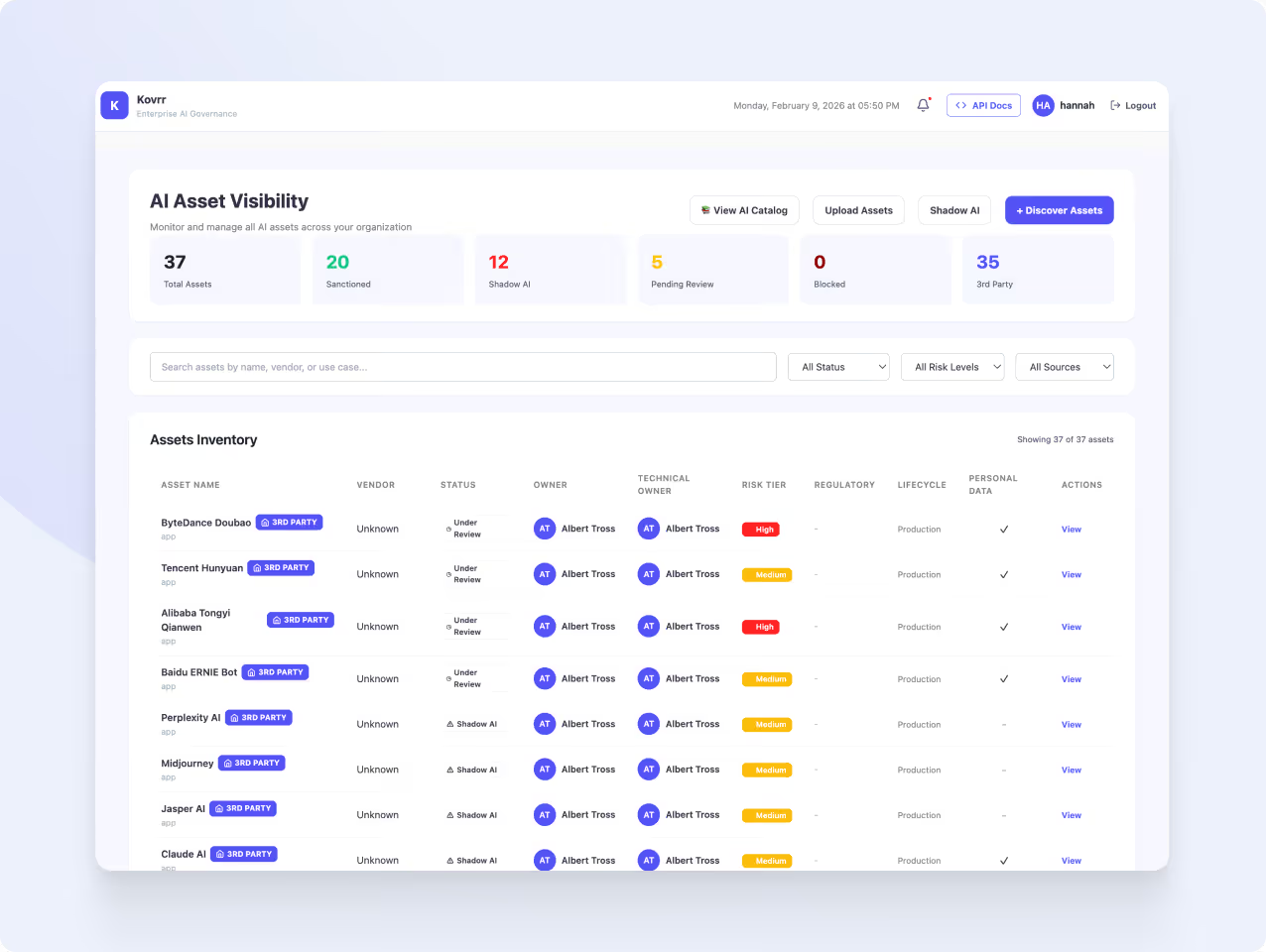
Continuous Visibility Into Shadow and Embedded AI
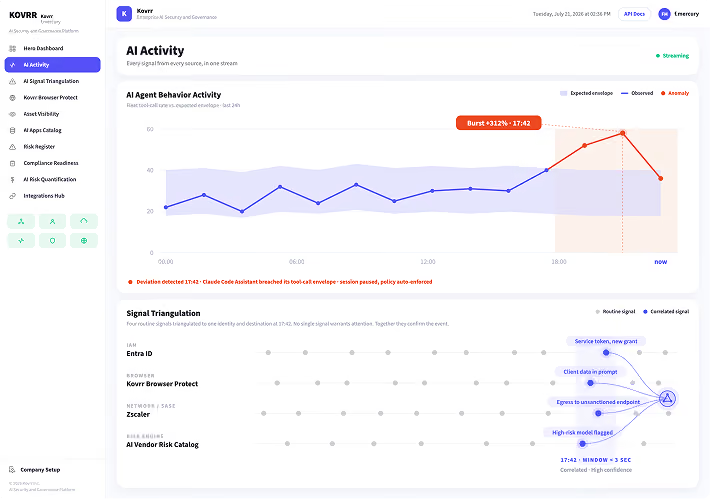
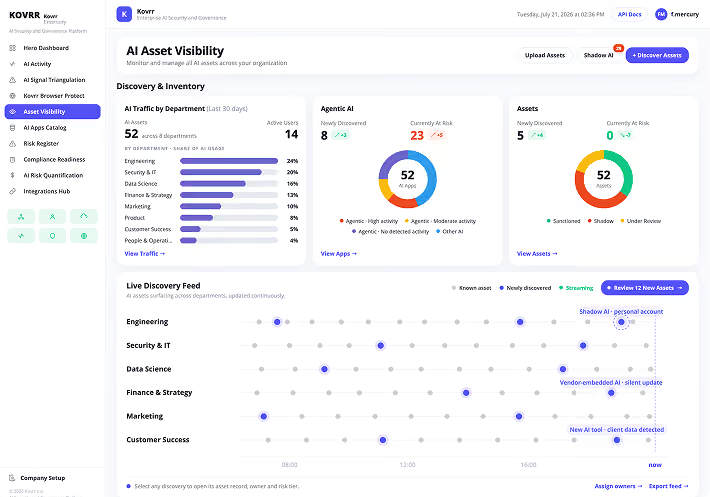
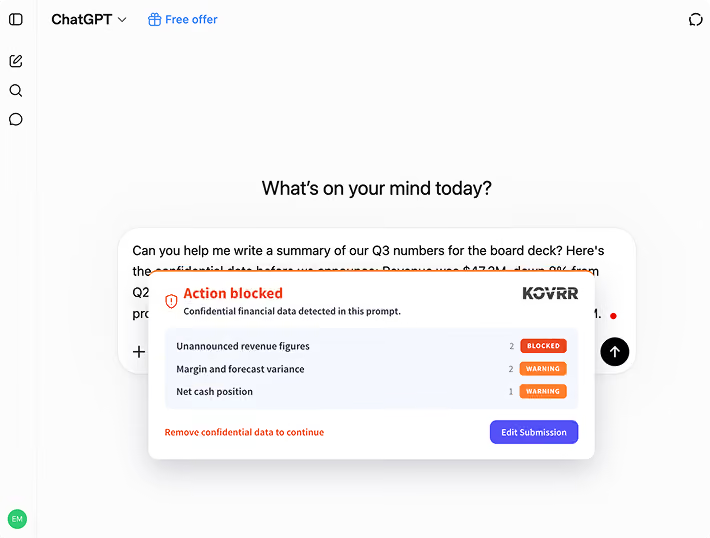
GenAI exposure exists across sanctioned platforms, embedded capabilities, and unsanctioned use that develops outside formal oversight. But even in a market where policy language and underwriting standards are adapting to AI risk, insurers expect organizations to provide a defensible and well-documented accounting of AI activity across the enterprise. Kovrr’s AI Asset Visibility module helps to establish this baseline, enabling consistent evaluation of AI usage, dependencies, and associated risk.
Managing Third-Party AI Exposure Across the Supply Chain
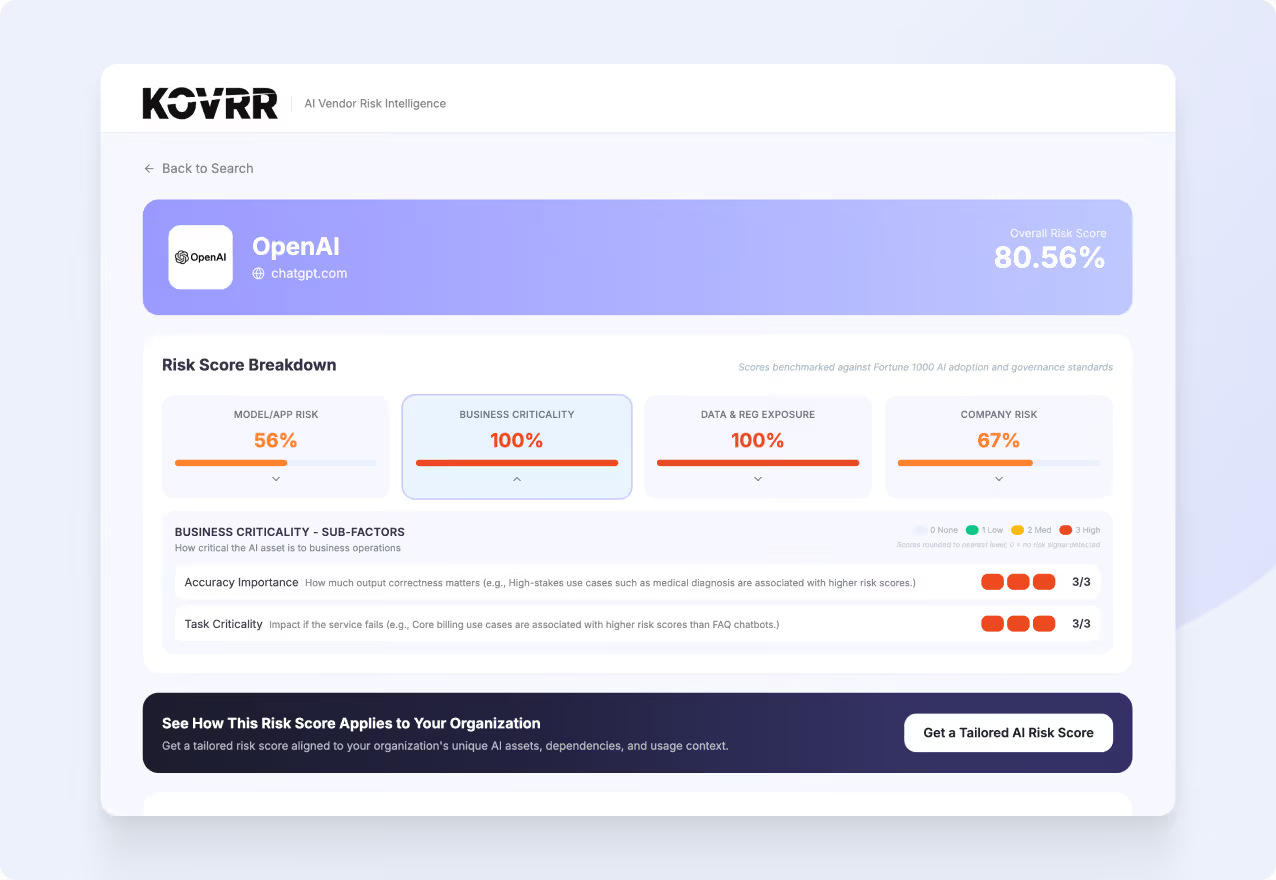
AI risk increasingly extends beyond the enterprise. Vendors, service providers, and embedded third-party models often process data or influence decisions in ways that directly affect exposure. In an environment where AI-related claims are emerging across multiple lines of coverage, insurers require clear documentation of these dependencies to factor them into underwriting decisions. Without visibility into third-party AI activity, risk assessment remains incomplete and difficult to price.
Monitor AI Risk.
Qualify for up to a 20% Premium Discount.
Consistent insight into how AI is deployed, governed, and measured across the enterprise reduces uncertainty during underwriting. When risk information remains current and defensible, insurers can assess exposure more confidently and apply pricing that reflects a lower risk profile.


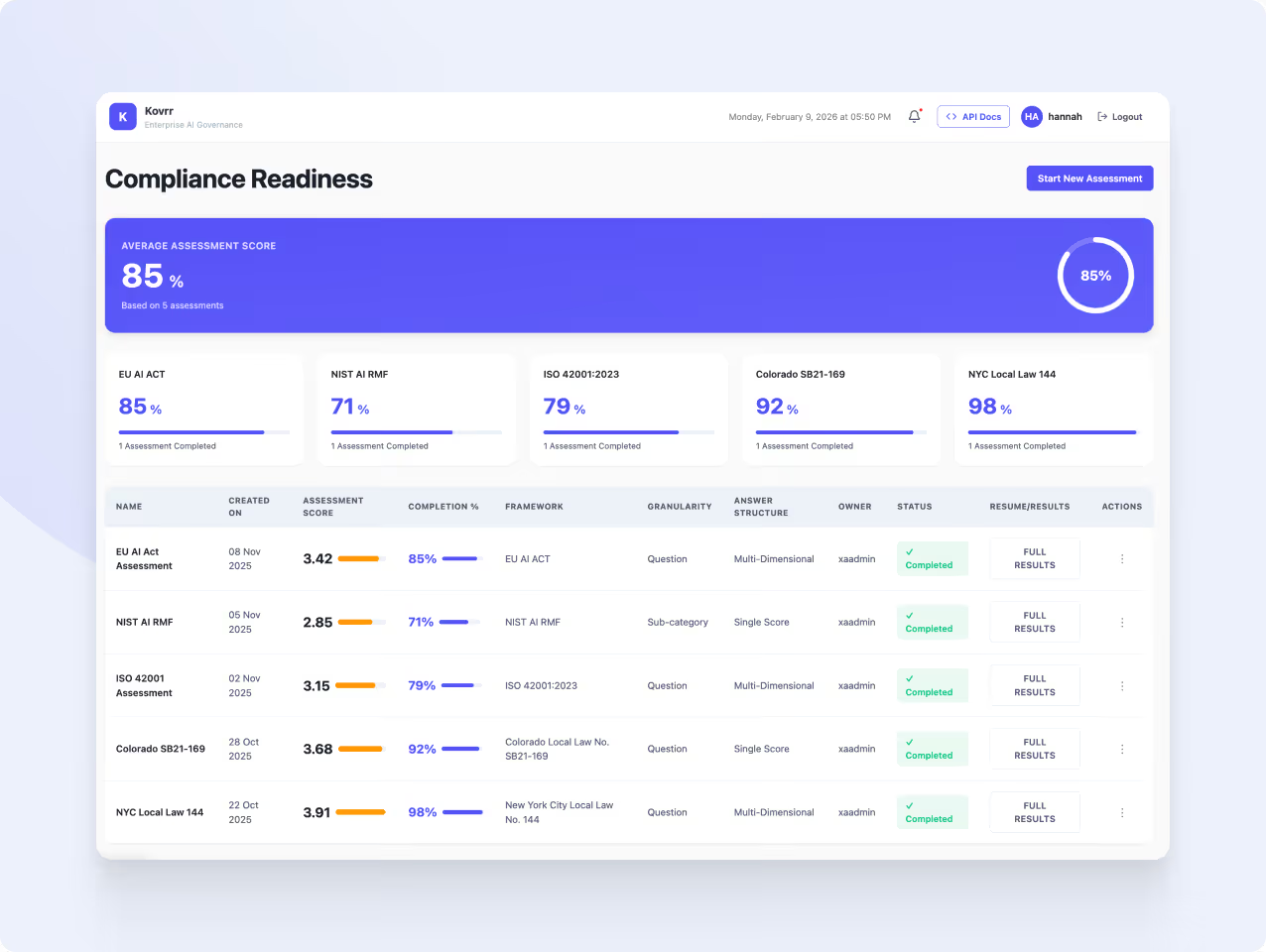
Assessing AI Compliance Across Frameworks and Regulations
AI compliance plays a growing role in how insurers assess exposure. Alignment with recognized frameworks and emerging regulations, such as the EU AI Act, signals that AI risks are governed and addressed systematically. When compliance is assessed and documented, insurers can more easily evaluate regulatory exposure and the likelihood of loss when determining coverage and pricing.
Turning GenAI Risk Into Financial Exposure
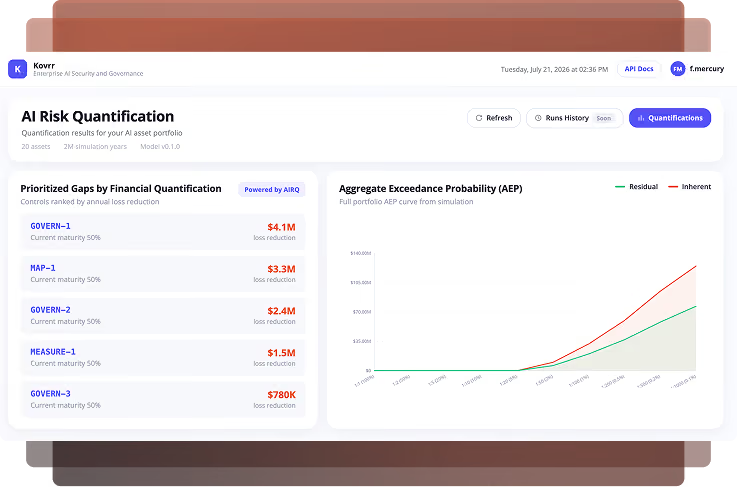
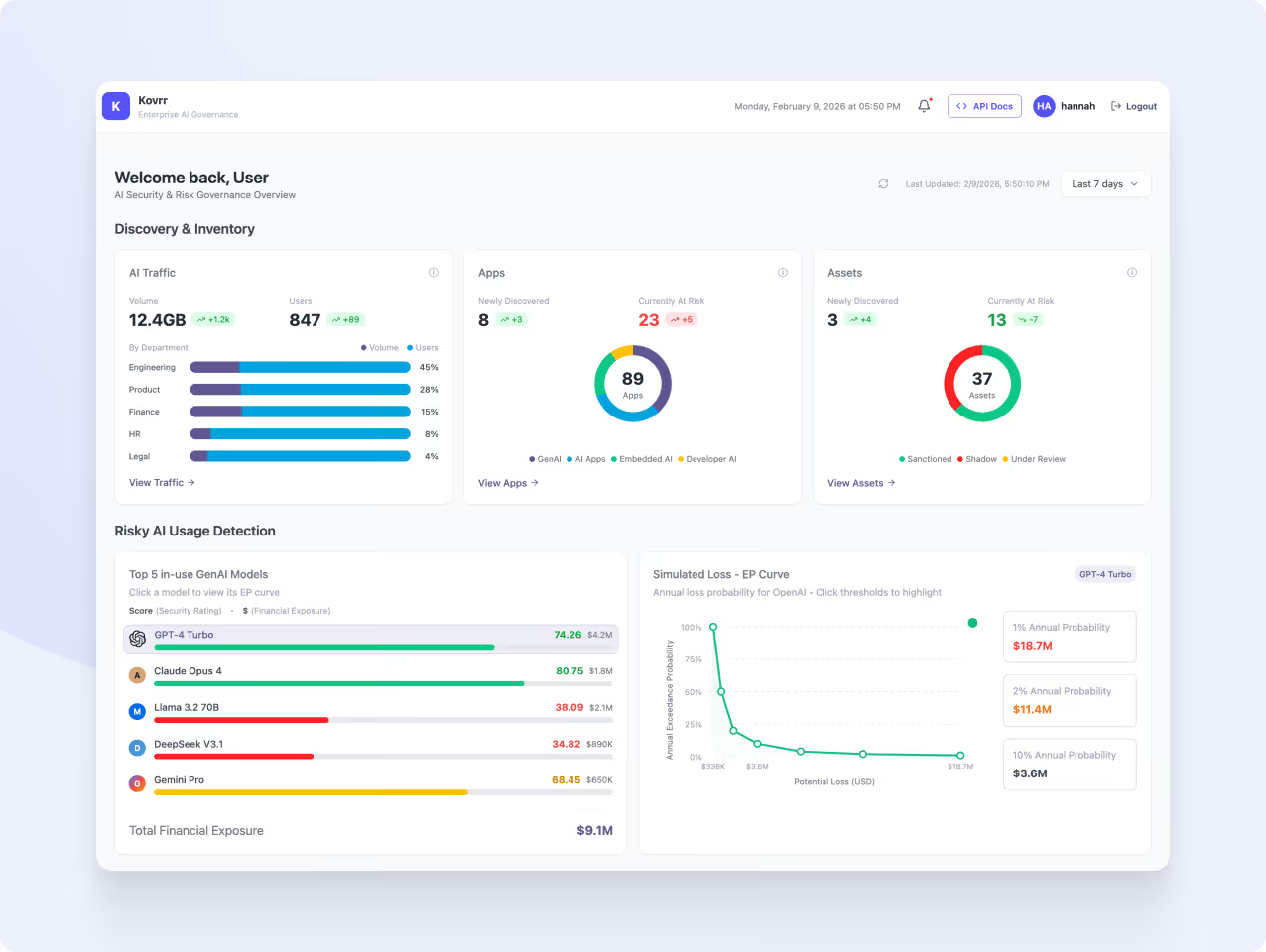
Insurers ultimately price AI risk in financial terms. Kovrr’s AI Risk Quantification module translates GenAI exposure into modeled loss scenarios and measurable financial impact. In a market where AI-related claims are beginning to surface across multiple lines of coverage, expressing AI risk in financial terms enables insurers to assess severity, compare exposure, and apply pricing with greater precision.
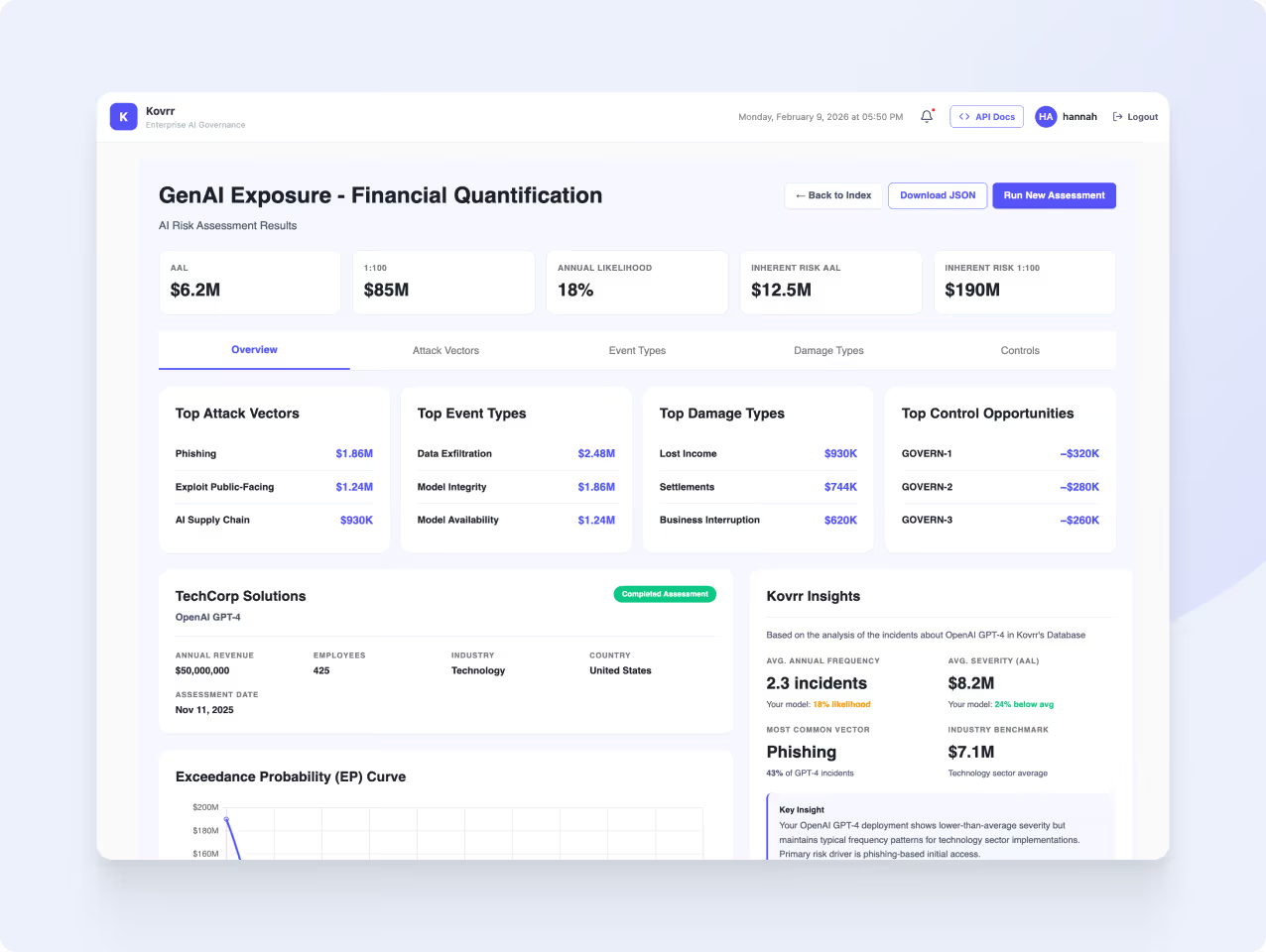

How Organizations Qualify for Reduced AI Insurance Premiums
Reduced AI insurance premiums are influenced by the strength and completeness of information available during underwriting. When organizations present a robust picture of GenAI activity, third-party dependencies, regulatory alignment, and modeled financial exposure, insurers can evaluate risk with greater precision. This level of certainty supports more favorable pricing decisions and improved insurance terms.
Unlock My Exclusive AI Insurance Discount
AI Insurance FAQs
Unlock DiscountHow does AI insurance pricing take GenAI risk into account?

Why is AI risk visibility important for AI insurance risk underwriting?
How does AI risk quantification support AI insurance decisions?
How is the AI insurance risk underwriting process evolving?
