
Instantly Assess
Third-Party AI Risk
for Free
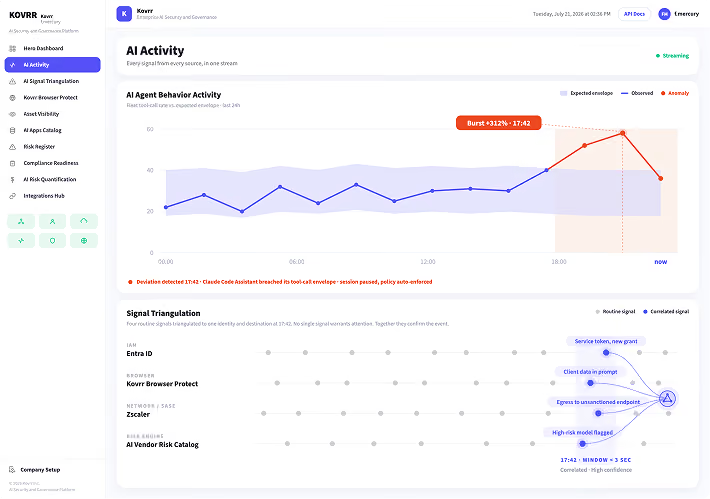
AI risk often enters the organization through third-party vendors, yet insight into those systems is still driven by point-in-time questionnaires that quickly go stale. Access Kovrr’s AI Vendor Risk Catalog to explore continuously updated intelligence on third-party GenAI systems, including vendor risk signals, regulatory exposure, incident history, and model-level considerations.
Access the Full AI Vendor Risk Catalog for Free
Third-Party AI Risk in Real Time
How the AI Vendor Risk Catalog Works
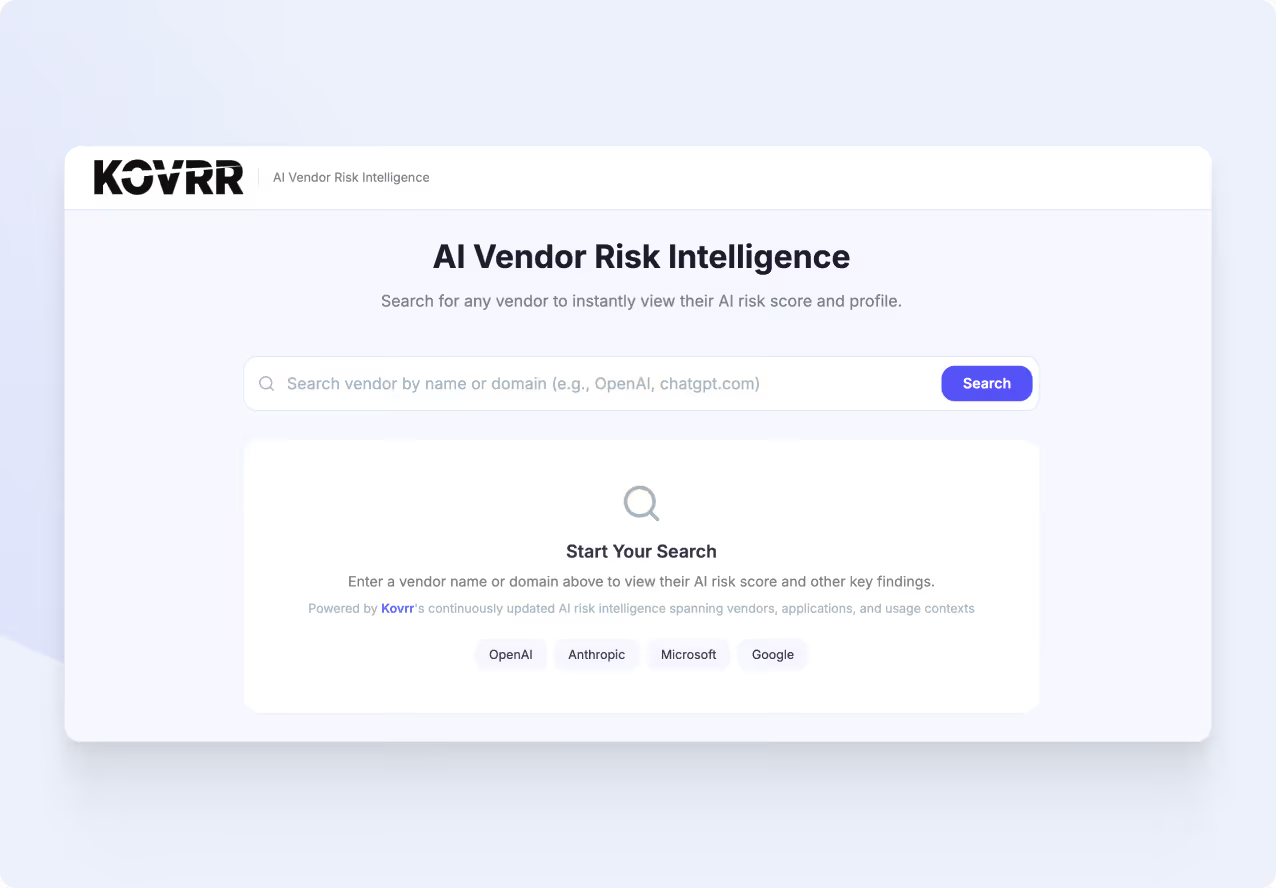
Enter the name of a GenAI system or vendor, such as ChatGPT, and instantly access its AI vendor risk profile within Kovrr’s continuously updated catalog. The platform surfaces current risk signals based on Kovrr’s internal risk models and intelligence sources, providing structured visibility into vendor exposure that goes far beyond static questionnaires. The vendor profile is designed to support informed discussion and decision-making, not to serve as a certification or compliance ruling.
What the Third-Party AI Risk Profile Includes
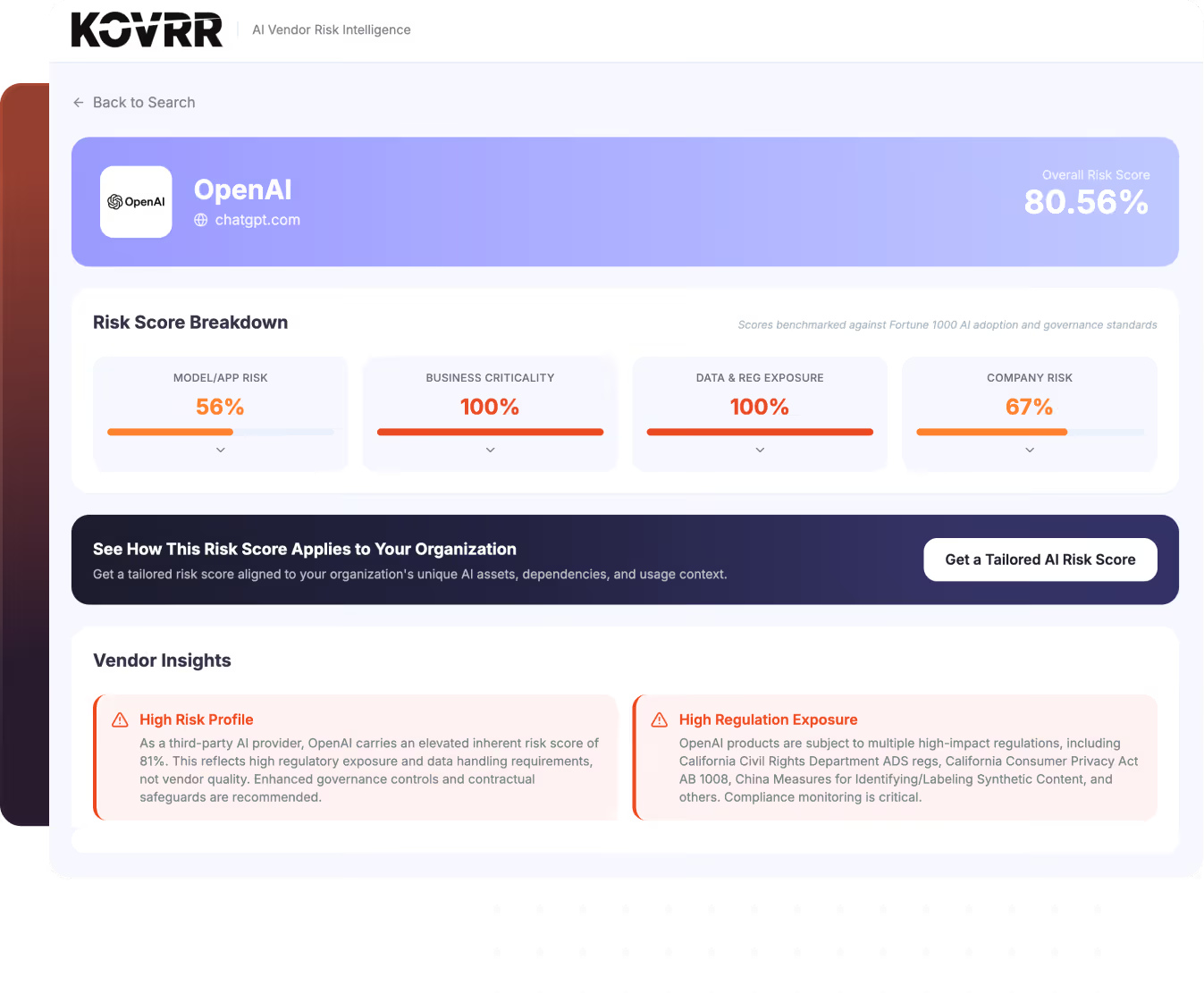
Each third-party AI risk profile opens with a concise, actionable summary of risk signals tied to the specific vendor you searched.
Within the catalog, you’ll see:
Third-party identity and report timestamp
An overall AI vendor risk evaluation
A clear risk level indicator
A breakdown across core AI risk dimensions
Audit-ready documentation for compliance processes
Access the Full AI Vendor Risk Catalog for Free
Understanding What Drives the AI Risk Assessment
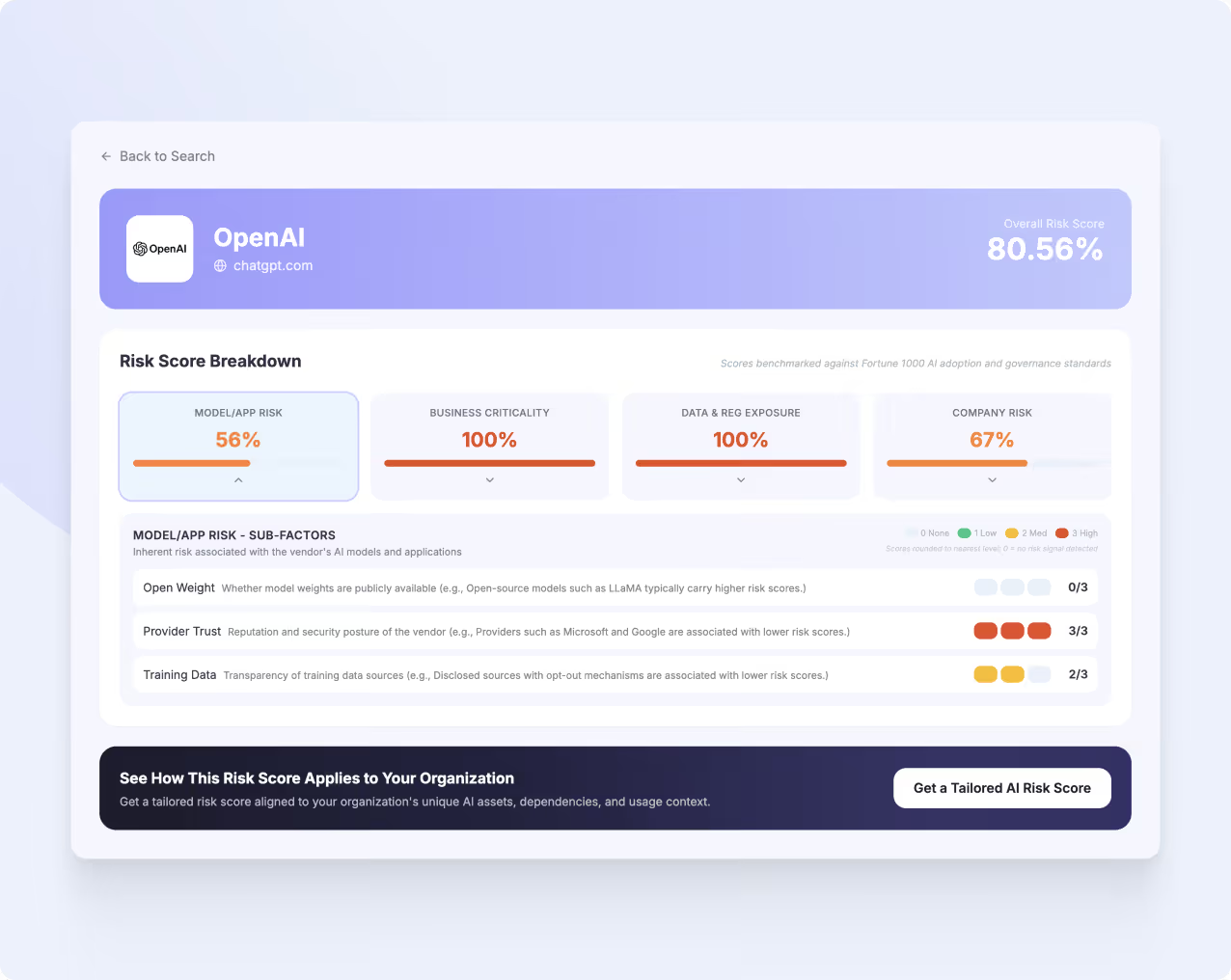
The assessment does not treat risk as a single output. It shows how different factors contribute to overall exposure, so you can see how risk accumulates across areas such as:
Model and application characteristics
Business reliance on the system
Regulatory exposure based on jurisdiction and use
Company-level risk signals
Implementation and usage considerations
This breakdown explains why a third-party GenAI system carries risk, not just that it does, making the evaluation easier to interpret and discuss.
Signals That Shape the Third-Party AI Risk Picture
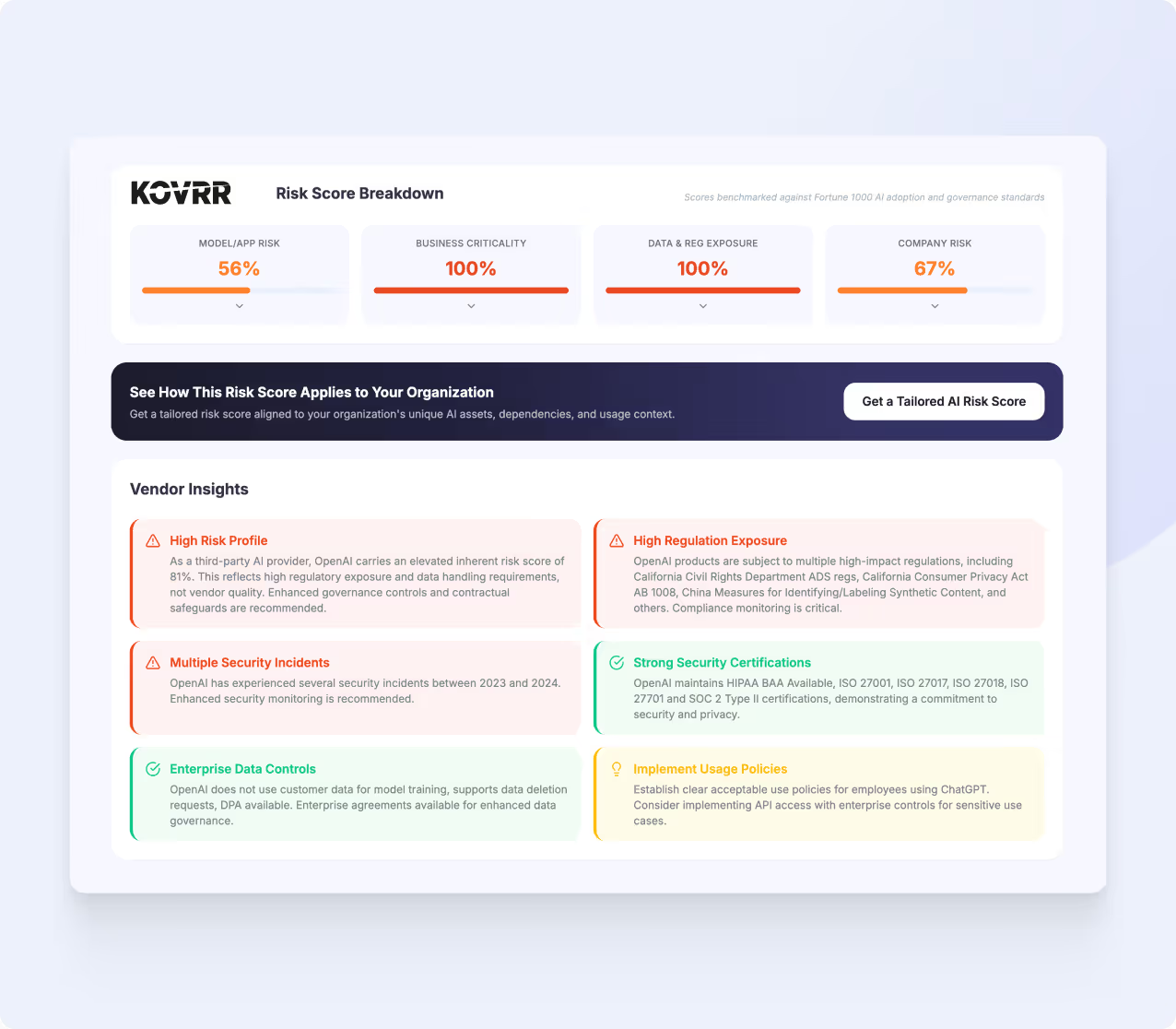
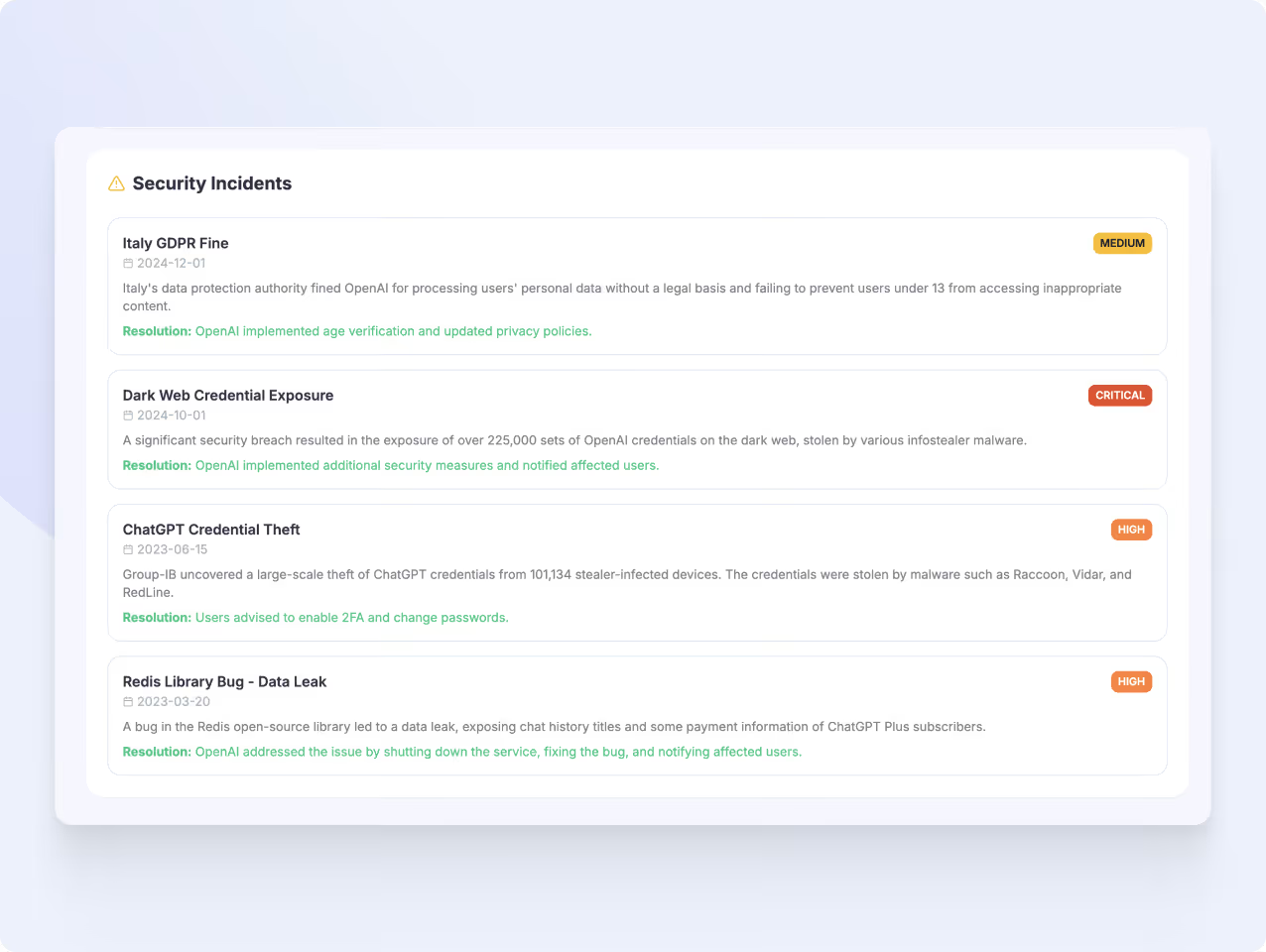
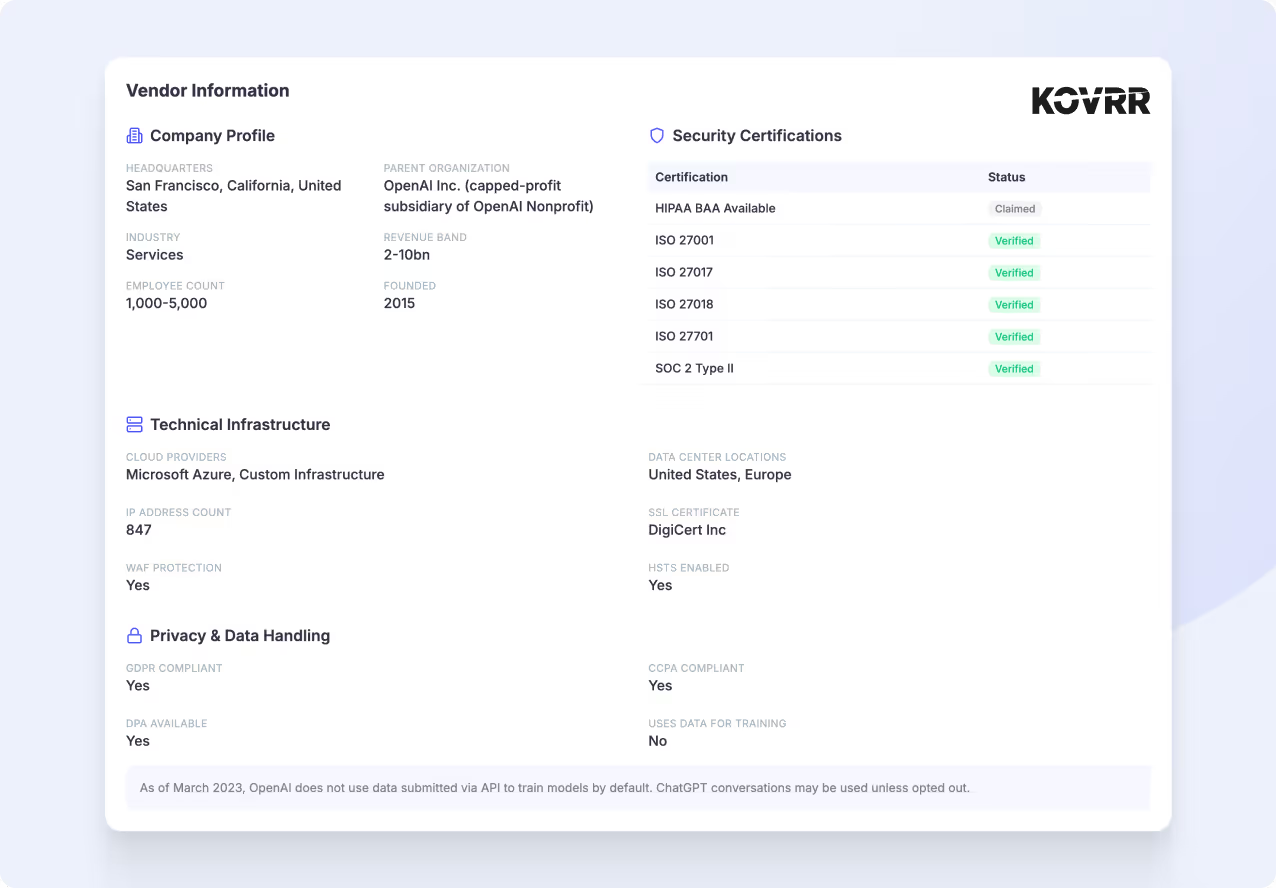
Beyond the core assessment, the AI Vendor Risk Catalog highlights notable findings that shape the third-party’s AI risk profile. These details may include:
Security certifications and governance signals
Infrastructure and deployment patterns
Known incidents or areas requiring attention
Regulatory considerations tied to AI use
This context turns raw data into structured intelligence that AI risk management and governance teams can evaluate and act on.
Access the Full AI Vendor Risk Catalog for Free
Why Instant Third-Party AI Risk Visibility Matters
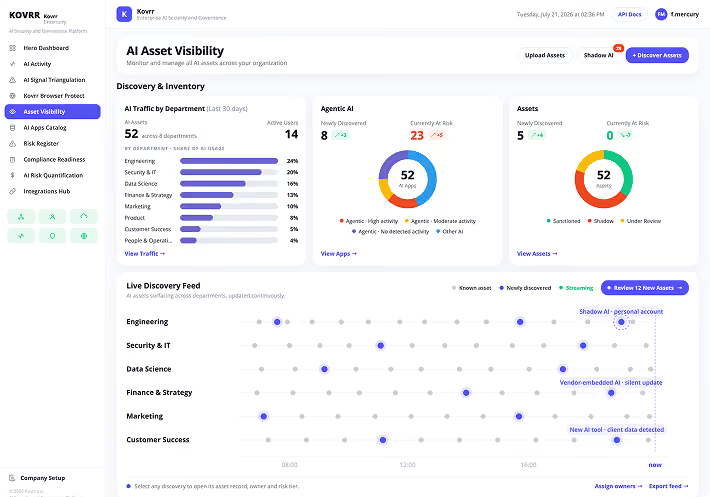
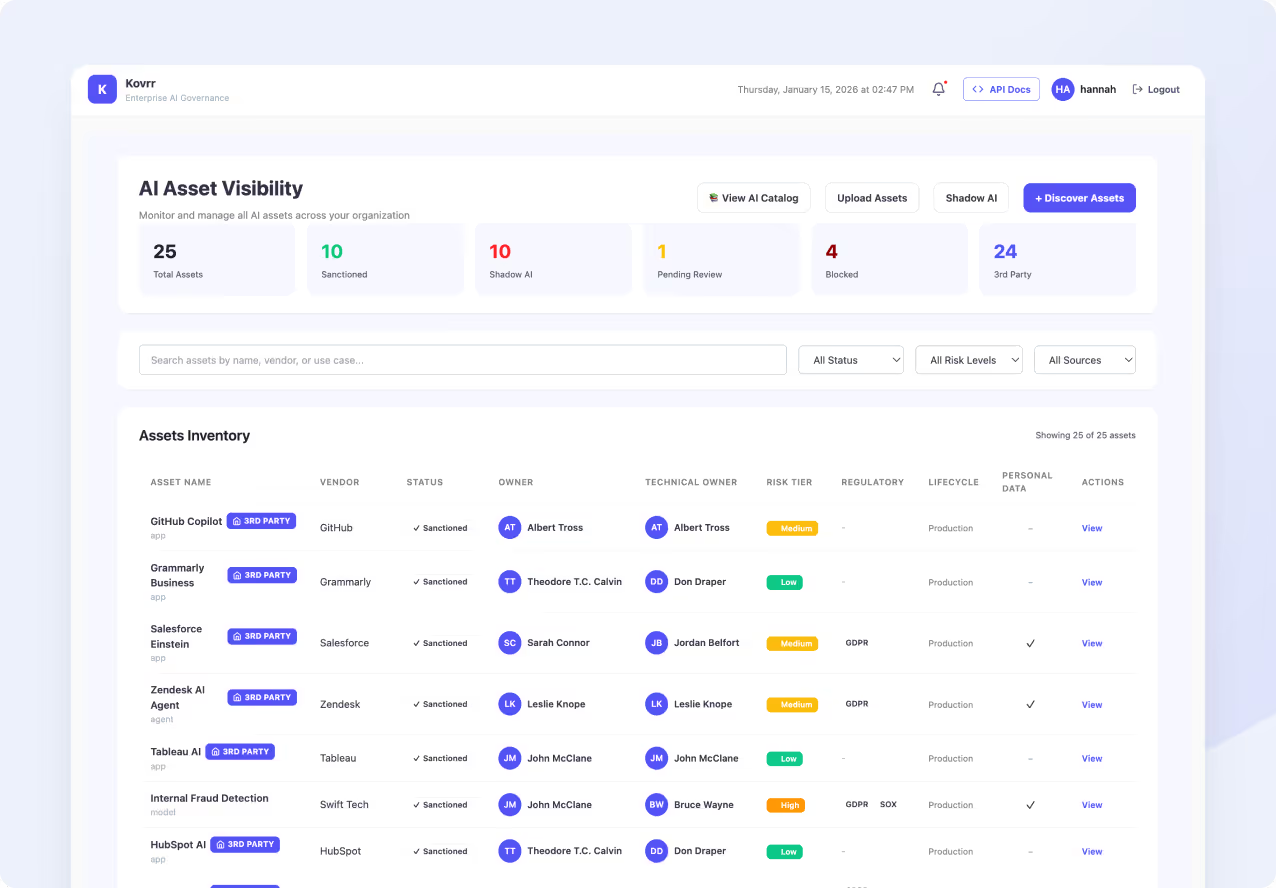
Third-party AI systems introduce exposure in ways traditional vendor reviews were not built to capture. Model behavior, training practices, deployment models, and regulatory obligations all affect risk, yet these factors change faster than point-in-time reviews can reflect. Without asset-level, current visibility, organizations struggle to justify approvals or explain decisions once scrutiny increases. This catalog view shows what becomes visible when third-party AI applications are evaluated as assets rather than abstractions.
From AI Vendor Intelligence to Full AI Asset Visibility
Start by exploring the AI Vendor Risk Catalog to understand the exposure a third-party system introduces and why asset-level visibility matters before decisions are made.
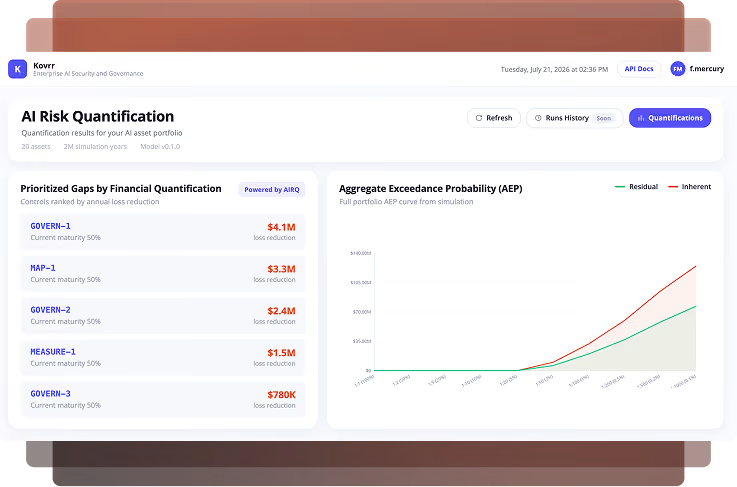
Transform Third-Party AI Risk Into Actionable Metrics
Start by exploring the AI Vendor Risk Catalog to understand the exposure a third-party system introduces and why asset-level visibility matters before decisions are made.


