
Blog Post
Bringing Real-World Cyber Events Directly Into the Cyber Risk Register
June 2, 2026
TL;DR
- Kovrr's quantification models are built on a continuously updated database of real-world cyber events. Two new features make that data more directly accessible within the CRQ platform.
- Scenario Intelligence is a new dedicated section surfacing the five most recent cyber incidents from Kovrr's database, with company, revenue, and country context for each.
- The Peer Incidents tab lets teams filter by industry, country, or revenue to find relevant incidents. Both tabs include a direct path to add events to the cyber risk register.
- Scenario templates in the cyber risk register let teams start new scenarios from named real-world events or pre-defined scenario types, auto-populating key fields on selection.
- Company-specific templates are also available, giving organizations a private library of scenarios visible only to designated users.
More Ways to Leverage Real-World Data
Kovrr's cyber risk quantification (CRQ) models are built on a continuously updated database of real-world cyber events, drawing on regulatory disclosures, company filings, legal reports, and proprietary insurance claim intelligence to produce financial exposure estimates grounded in how incidents actually unfold. That intelligence foundation has always informed everything the platform produces, from frequency and severity calculations to the event catalogs that drive each organization's quantification.
The incidents powering that database are documented events with known characteristics, such as how they entered, what they affected, how much they cost, and which kinds of organizations they hit hardest. Kovrr has been building and calibrating against this dataset since 2017, and the models are updated quarterly as new events occur and the threat landscape develops. The result is a quantification engine that reflects the real world with a level of specificity that generic risk frameworks cannot match.
Two capabilities now bring more of that data to the surface. Scenario Intelligence, a new dedicated section of the platform, surfaces recent incidents filterable by peer characteristics, with a direct path into the risk register. Scenario templates in the cyber risk register let teams build new potential loss incidents faster, starting from named real-world events or pre-defined scenario types grounded in Kovrr's data. Both make it easier to see how high-visibility, real-world scenarios would play out at a specific organization.
Deeper Grounding With Scenario Intelligence
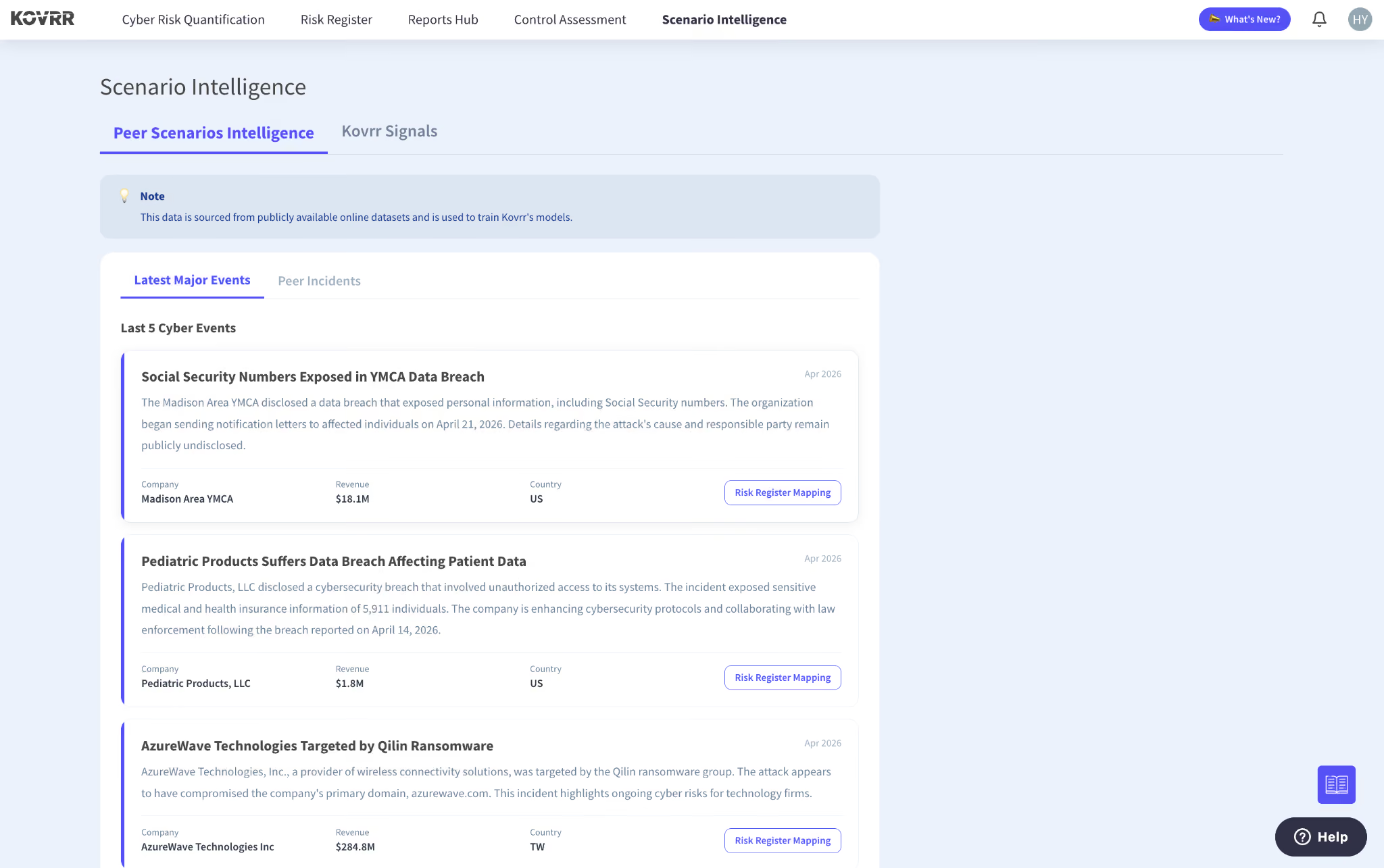
Kovrr's incident and broader industry database have always been the engine behind the platform's quantification capabilities. Scenario Intelligence makes that database more directly accessible, surfacing recent cyber events in a dedicated section of the platform where teams can browse and ultimately add relevant incidents directly to their risk register. Security and GRC teams can see the actual incidents informing those models and assess their relevance to their own organization, taking action if necessary.
Latest Major Events
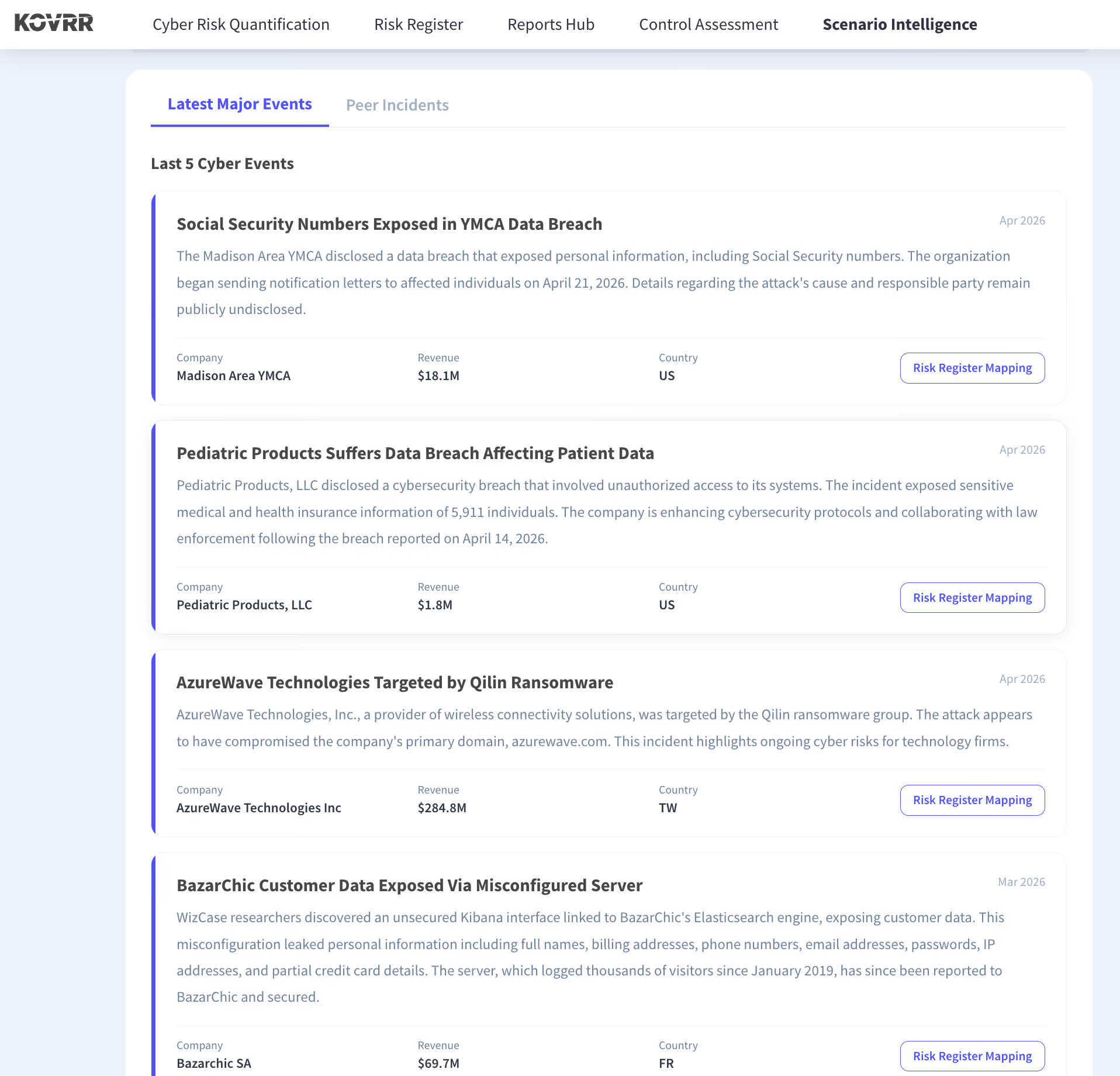
Kovrr's database is continuously updated as new incidents occur, and Latest Major Events brings that feed directly into the platform. The five most recent events are always visible, giving security and GRC teams a running view of what's happening in the threat landscape without having to look elsewhere. Each incident card includes enough context to assess relevance, including the affected company, its revenue, its country, and a description of how the event unfolded.
Risk Register Mapping
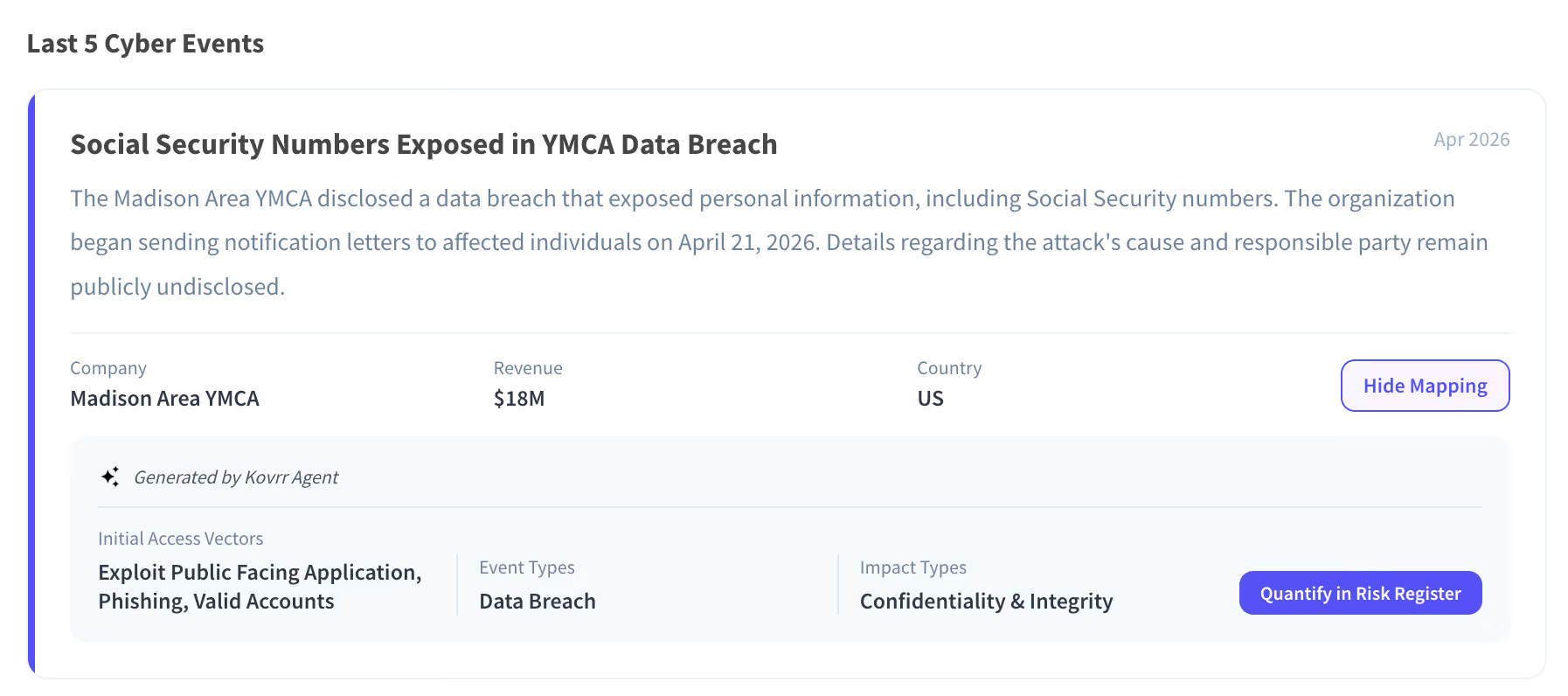
Each incident card in Latest Major Events includes a Risk Register Mapping button. Clicking it reveals a Kovrr Agent-generated breakdown of how that incident maps across Initial Access Vectors, Event Types, and Impact Types. These are the same parameters used to define scenarios in the risk register. For teams that want to act on what they see, the Quantify in Risk Register button takes that mapped incident straight into the register, running the quantification automatically
Peer Incidents
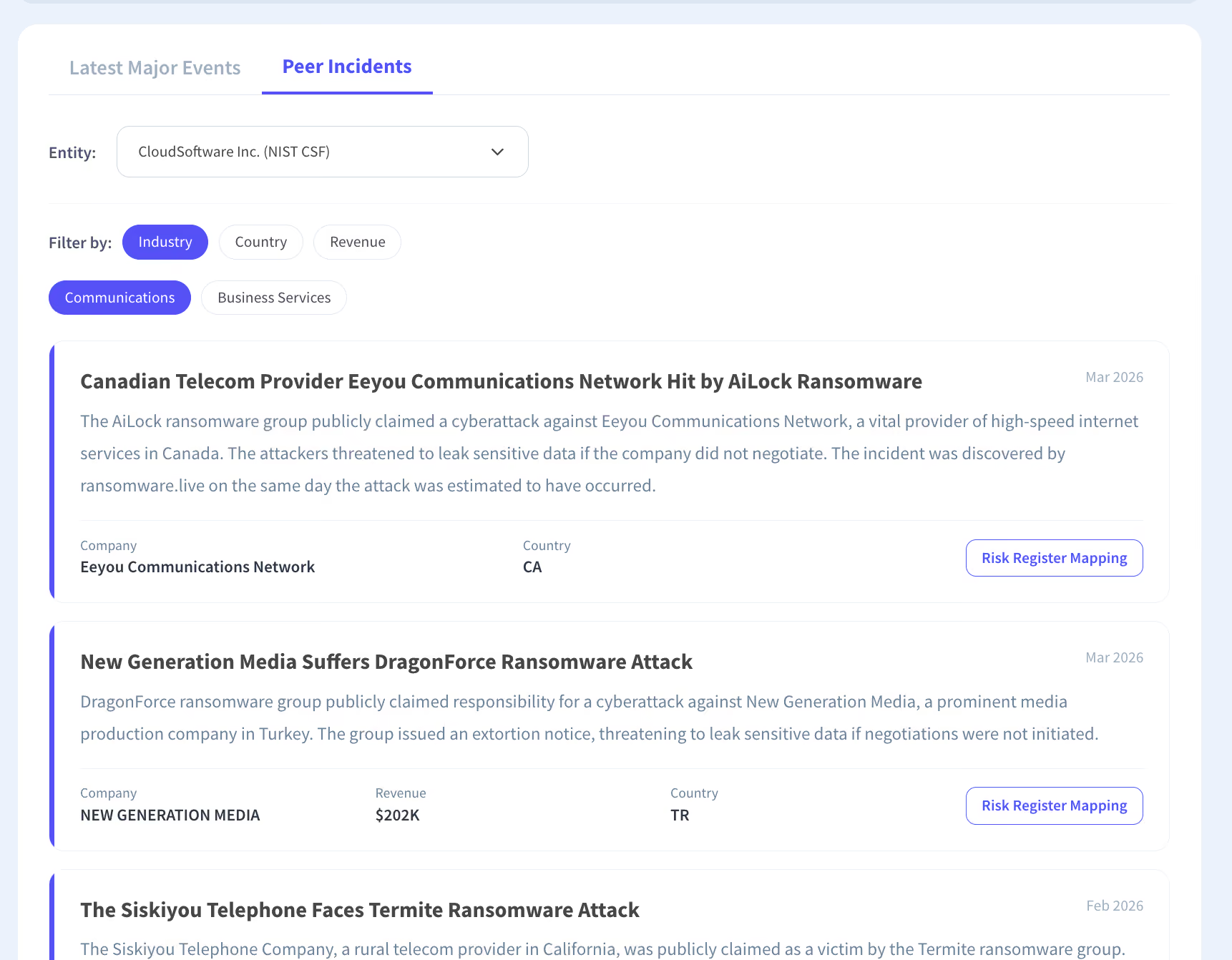
Every organization's risk profile is different, and peer context matters when building a risk register that reflects real exposure. The Peer Incidents tab starts by asking teams to select their entity, and from there, they can filter the incident feed by industry, country, or revenue band. The result is a curated view of recent incidents affecting organizations with similar characteristics, making it easier to assess whether a scenario belongs in the register and how it should be weighted.
The pool of available incidents grows continuously as Kovrr's database updates, and as with Latest Major Events, teams can expand the Risk Register Mapping on any incident card and add it directly to their risk register.
Building Risk Scenarios From Kovrr's Continuously Updated Models
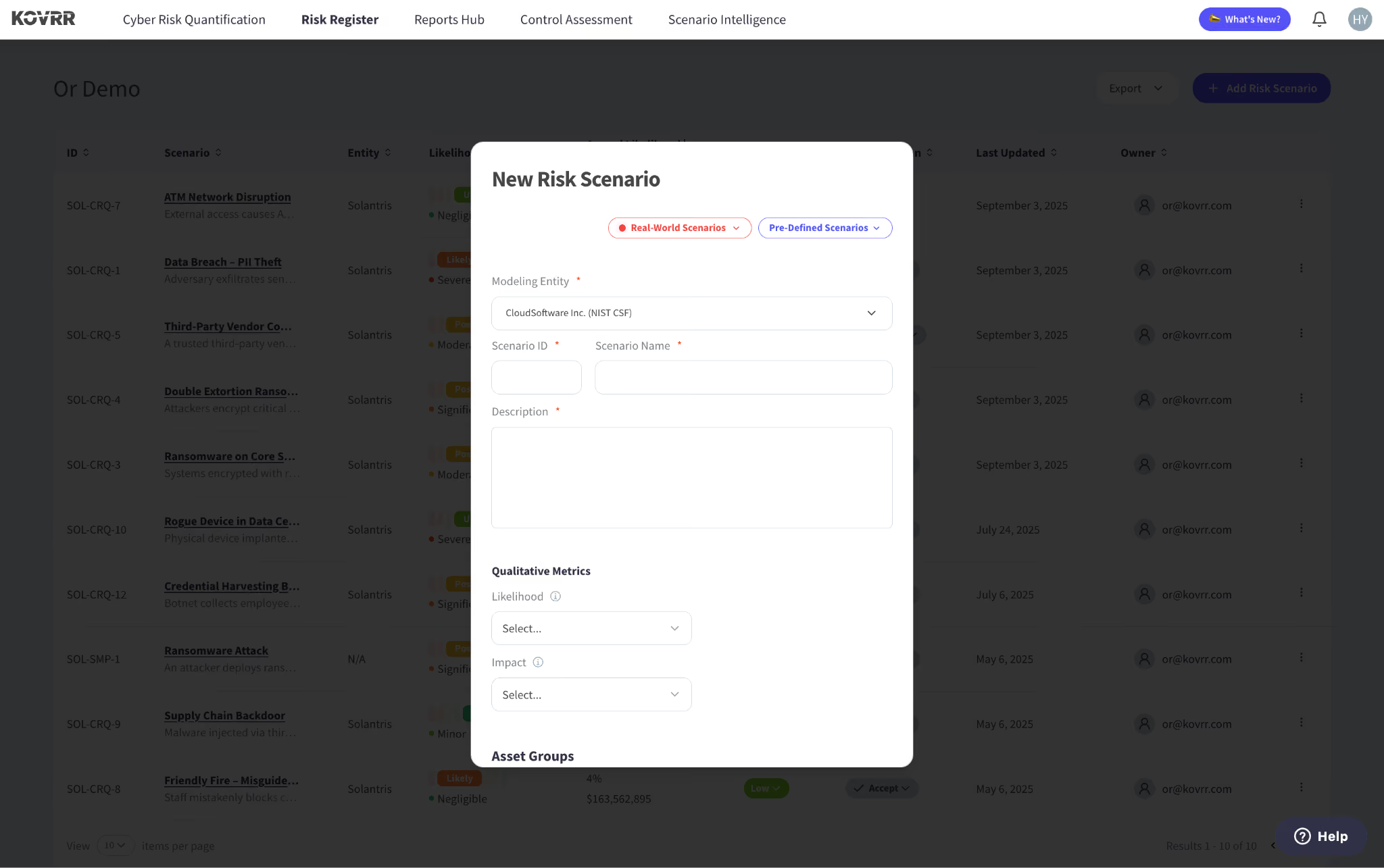
When adding a new risk scenario to the register, teams can choose their starting point from two template tabs, as opposed to manually entering data. Real-World Scenarios draws from Kovrr's incident database, surfacing major global events that have occurred and been modeled, with the database updating continuously as new events occur. Pre-Defined Scenarios offers templates built around the scenario types that appear most frequently across Kovrr's data. Either way, the starting point is grounded in real, continuously updated incident intelligence.
Selecting a template immediately populates the Scenario ID, Scenario Name, and Description fields, and maps the quantitative metrics, ensuring the structural work of defining a scenario is largely done before a team member has typed a single character. For organizations that want to go further, company-specific templates are also available, visible only to designated users, allowing teams to build and maintain a library of scenarios tailored to their own environment.
Real-World Scenarios
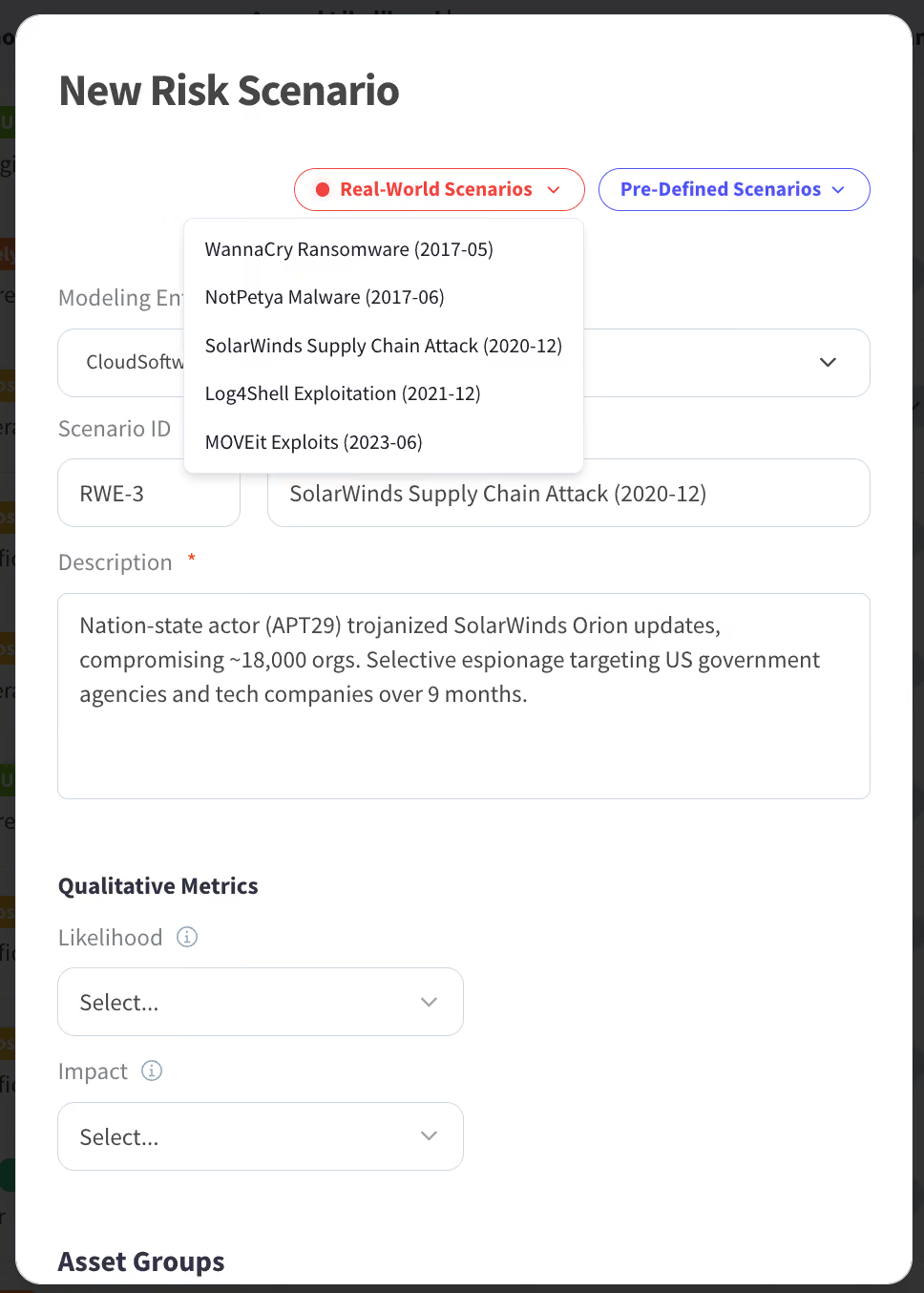
Kovrr's incident database includes landmark events, such as the SolarWinds supply chain attack and security breach of MOVEit, that have shaped how the industry conceptualizes cyber risk. Selecting one auto-fills the scenario fields based on how that event actually unfolded, giving teams a starting point that reflects real attacker behavior rather than a generalized threat description. For organizations that want their cyber risk register to reflect the kinds of incidents that have hit comparable companies, this is a faster way to get there.
Pre-Defined Scenarios
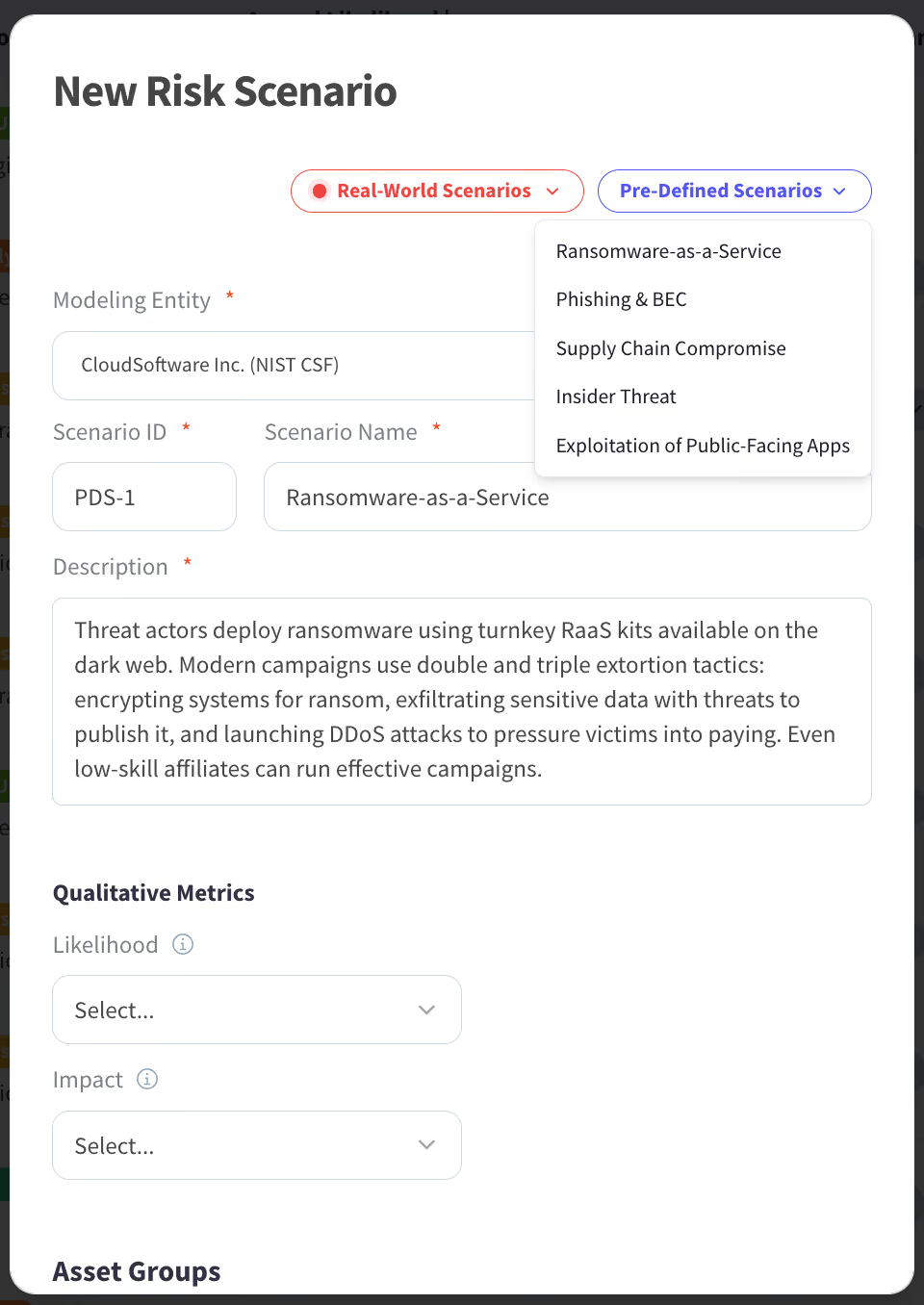
Kovrr's incident database reveals patterns in how cyber risk materializes across organizations. Certain scenario types appear consistently across industries and revenue bands, and carry well-understood characteristics in terms of how they unfold and what they cost. The Pre-Defined Scenarios templates are built from those patterns, giving teams a validated starting point for the scenarios most likely to be relevant to their organization. Selecting one populates the scenario fields automatically, allowing teams to spend more time on the analysis.
A More Connected Cyber Risk Register
For cybersecurity and GRC teams, the disconnect between what's happening in the threat landscape and what's documented in the risk register has always required manual effort to close. Scenario templates and Scenario Intelligence narrow that distance, giving teams more direct ways to work with the real-world incident data that has always powered Kovrr's quantification engine.
The result is a cyber risk register that more accurately reflects the specific threats relevant to an organization, built faster. With incidents feeding in continuously and the peer context always a filter away, the register becomes more of a living reflection of the threat landscape. Whether teams are starting a new scenario from a named real-world event or filtering for what's hitting peer organizations, the path from intelligence to action is now more direct.
To see how these capabilities work in practice, schedule a free demo with one of Kovrr's cyber risk experts today.



.avif)
