Real-World Cyber Incidents, Ready to be Quantified and Monitored
Kovrr's Scenario Intelligence surfaces recent cyber incidents fused from dozens of cyber threat intelligence feeds into a continuously updated database. These include scenarios related to regulatory disclosures, company filings, legal reports, proprietary insurance claim intelligence, and more. Each incident is mapped by the Kovrr Agent, can be filtered according to the organization's risk profile, and added directly to the risk register in a single click.
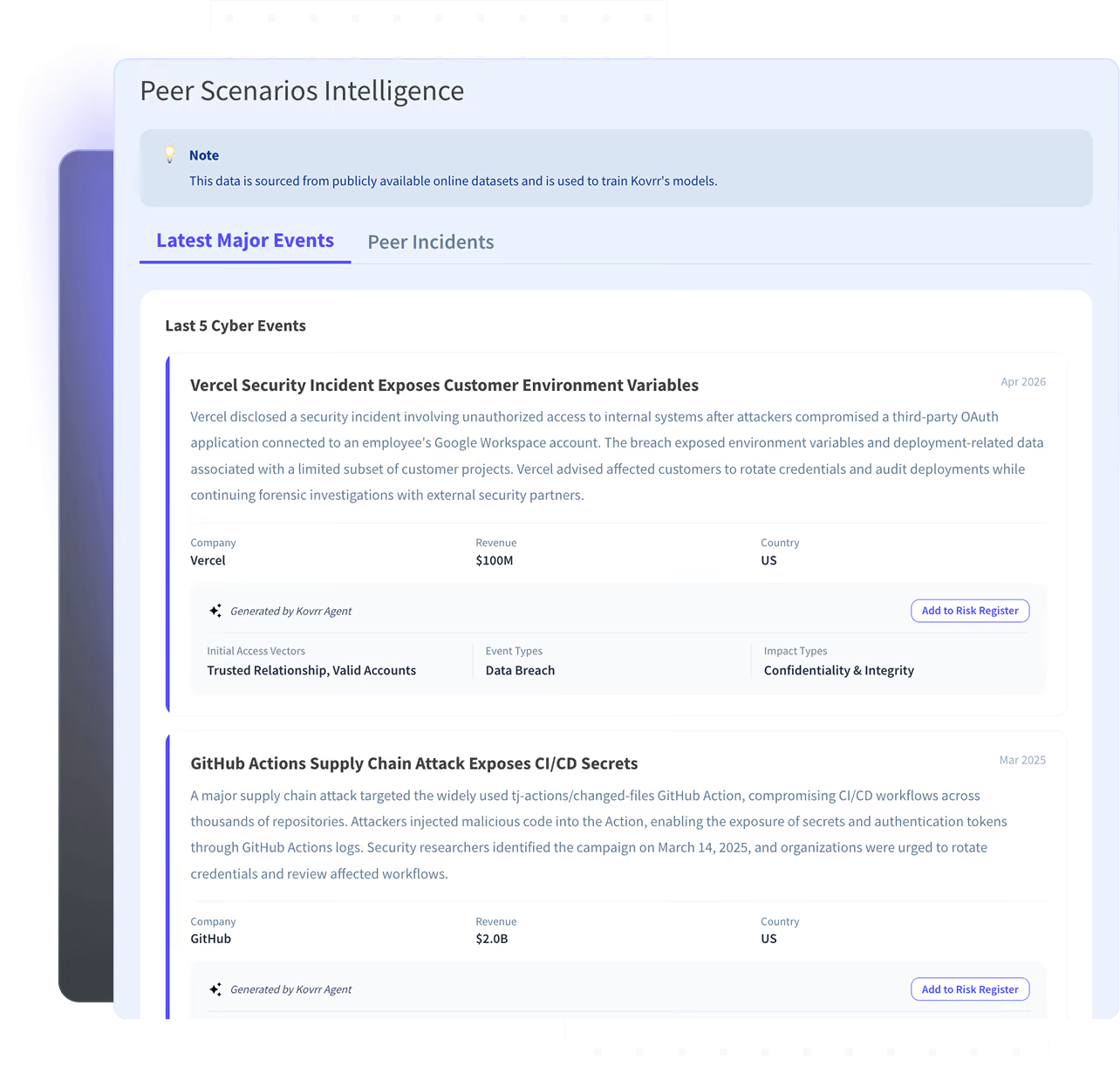
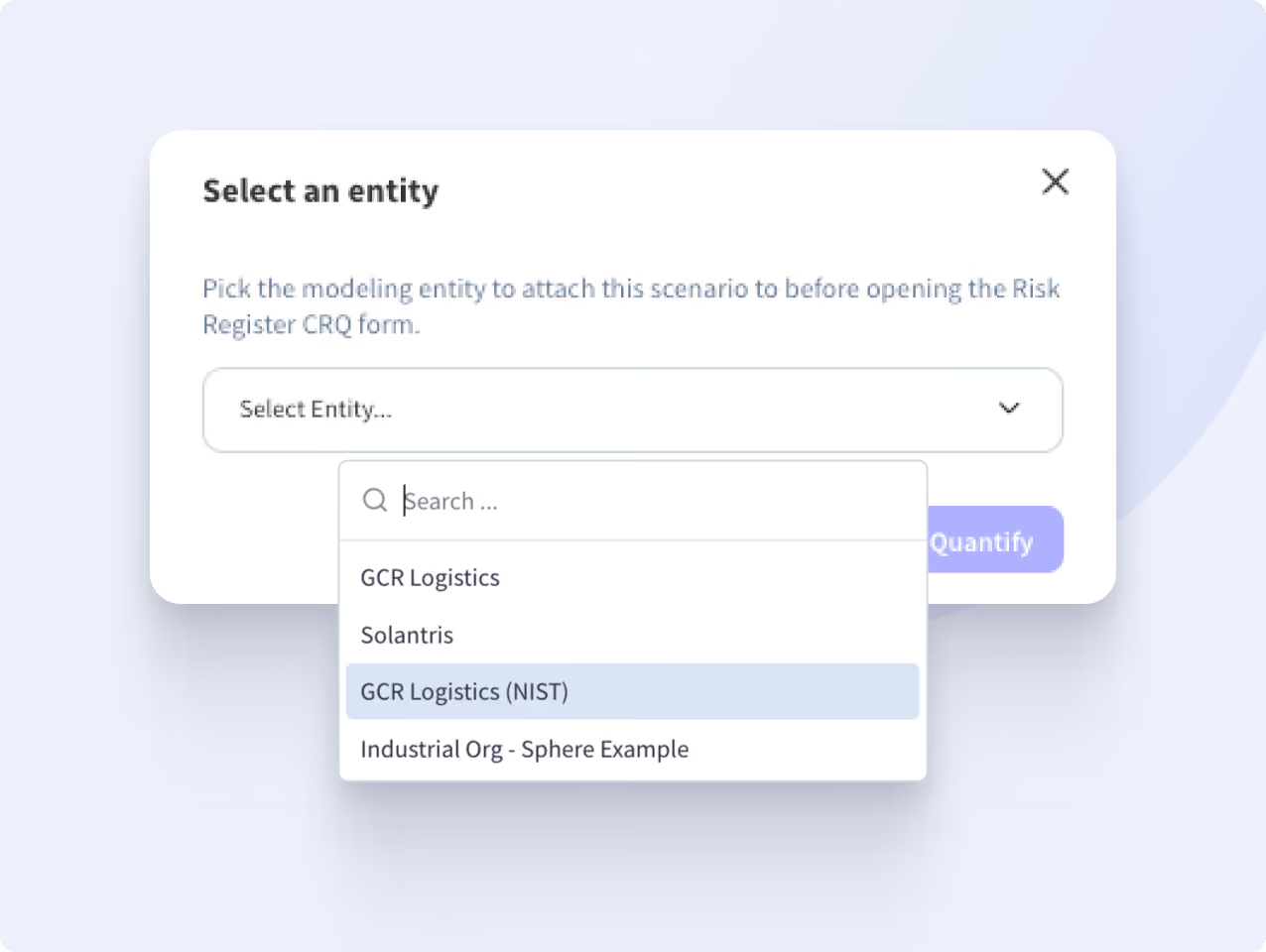
Add Relevant Scenarios to the Risk Register in One Click
When an incident matches the organization's risk profile, teams can add it directly to the risk register without manual data entry. The Kovrr Agent mapping carries over, pre-populating access vectors, event types, and impact types so the scenario is ready for quantification immediately. Once added, the platform automatically reassesses impact and likelihood at the cadence of the team's choosing.
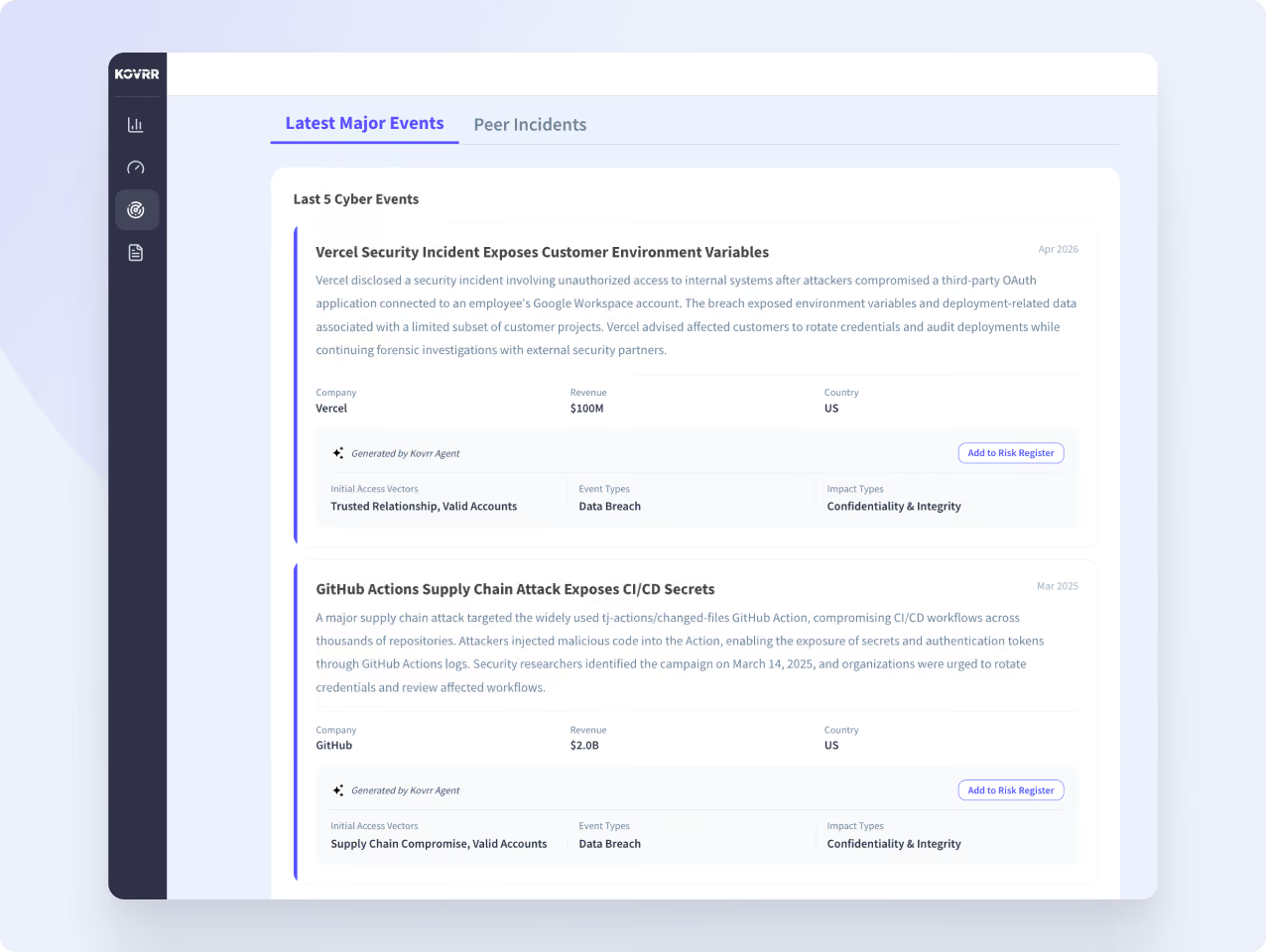
A Live Feed of the Incidents Shaping Your Industry
The CRQ platform surfaces the most recent cyber incidents from Kovrr's database as they're added. Each incident card includes the affected company, revenue, country, and a full description of how the event unfolded. The Kovrr Agent automatically maps every incident to its initial access vectors, event types, and impact types.
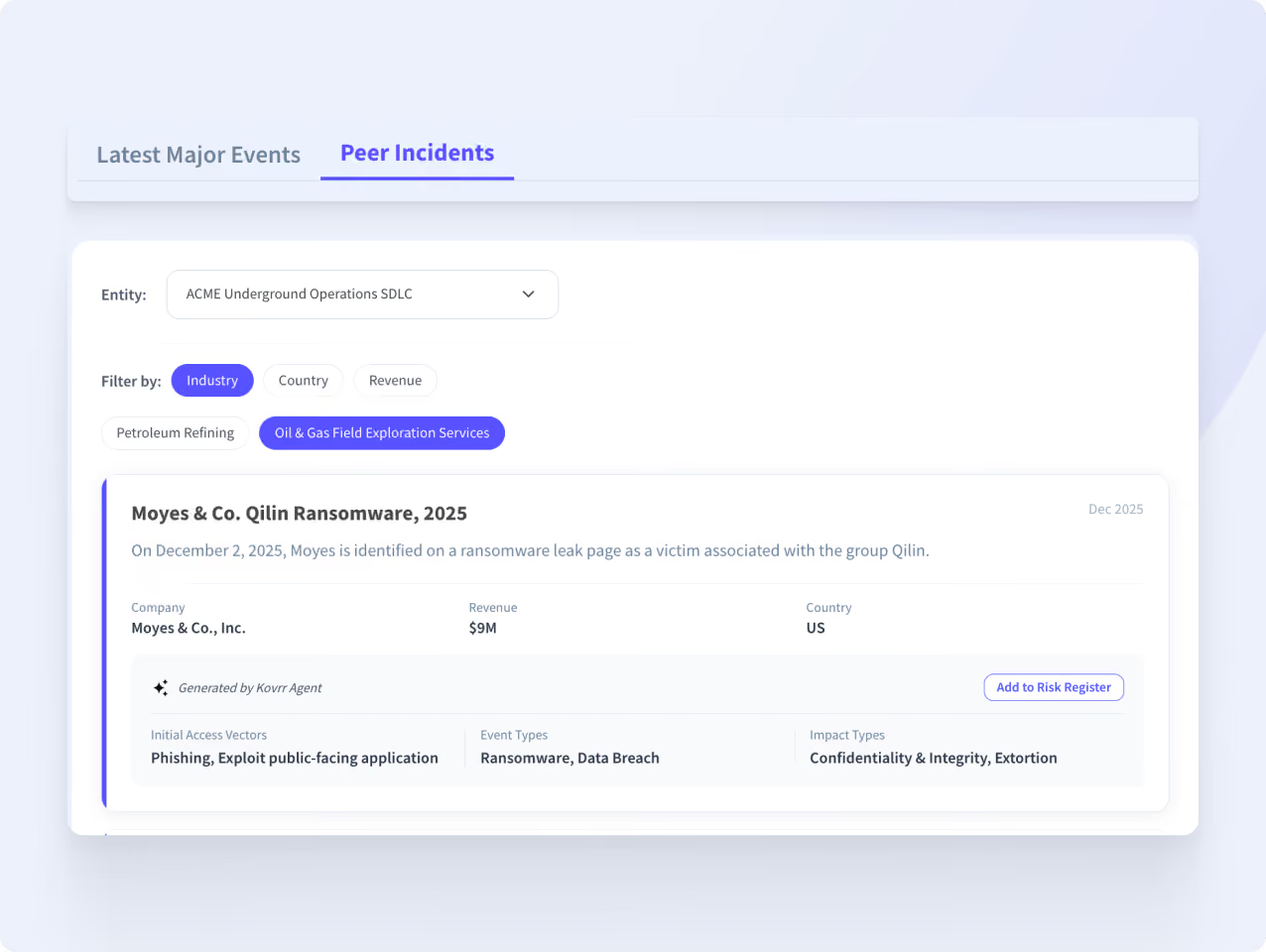
Filter for the Incidents That Match the Risk Profile
Peer Incidents lets teams select an entity and filter the incident feed by industry, country, or revenue band. The result is a curated view of events that have affected organizations with similar characteristics. Each incident carries the same Kovrr Agent mapping and can be added to the risk register in one click. The pool of available incidents grows continuously as Kovrr's database updates.
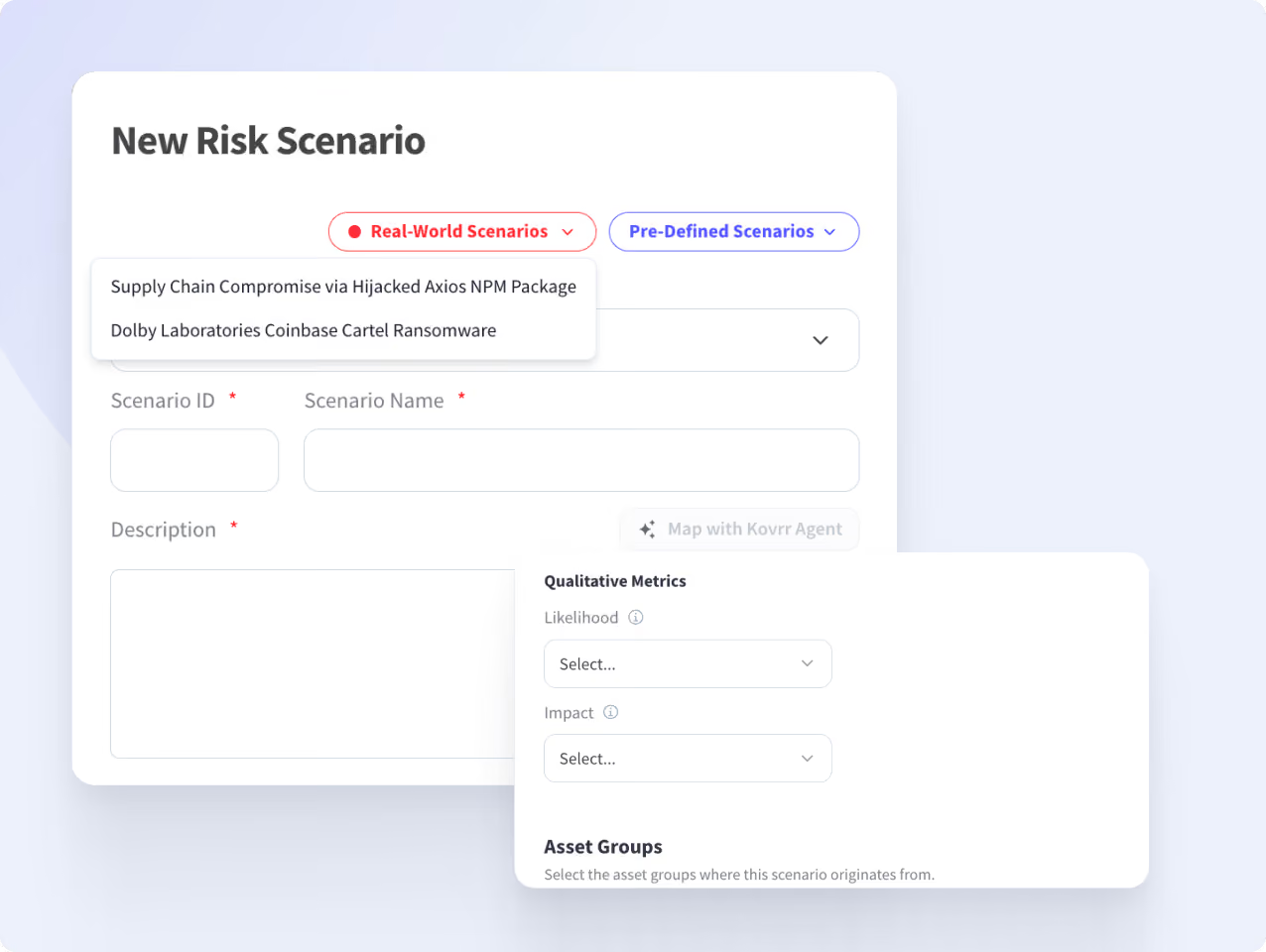
Build Scenarios From Notorious Cyber Events
The risk register includes a Real-World Scenarios template library populated from Kovrr's incident database. Events like the SolarWinds supply are available as starting points, each one modeled based on how it unfolded, what it cost, and which types of organizations it affected. Selecting one auto-populates the field, so the structural work is handled before a team member has entered anything manually.
Templates Based on the Most Common Threat Types
Kovrr's incident database reveals patterns in how cyber risk materializes across organizations. Certain scenario types appear consistently across industries and revenue bands, with well-understood characteristics in terms of how they unfold and what they cost. Pre-Defined Scenarios templates are built from those patterns and auto-populate the same fields on selection. Organizations can also create company-specific templates visible only to designated users.
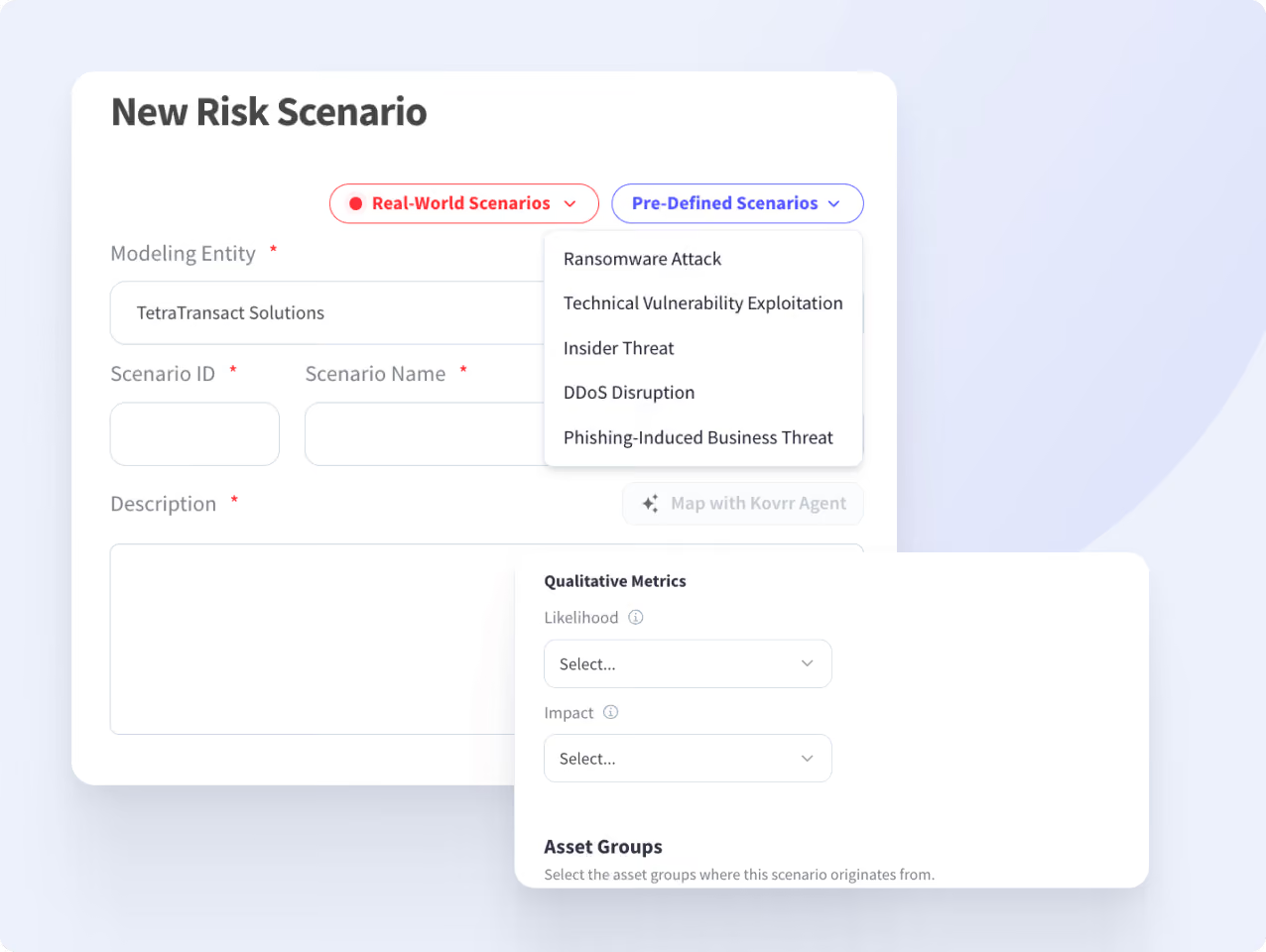


How Real-World Cyber Events Feed Into the Risk Register
Learn more about how Scenario Intelligence and scenario templates connect Kovrr's continuously updated incident database to the risk register, giving teams a faster path from threat intelligence to quantified risk scenarios.

The Value of Scenario Intelligencefor Cyber Risk Teams


Scenario Intelligence FAQs
See How Real Events Impact My OrganizationHow can real-world cyber incidents be used in a cyber risk register?

What is cyber scenario intelligence?
How do you build cyber risk scenarios based on peer incidents?
What are pre-defined cyber risk scenario templates?
