
How to Build an AI Asset Inventory: From Shadow AI to Full Visibility



What is an AI asset inventory?
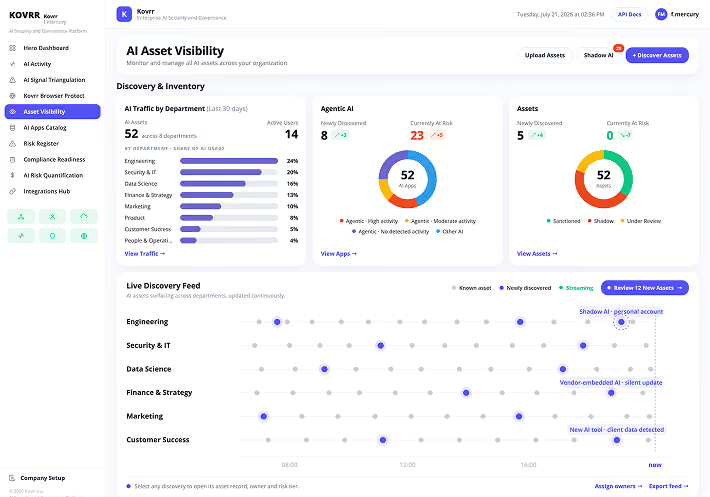
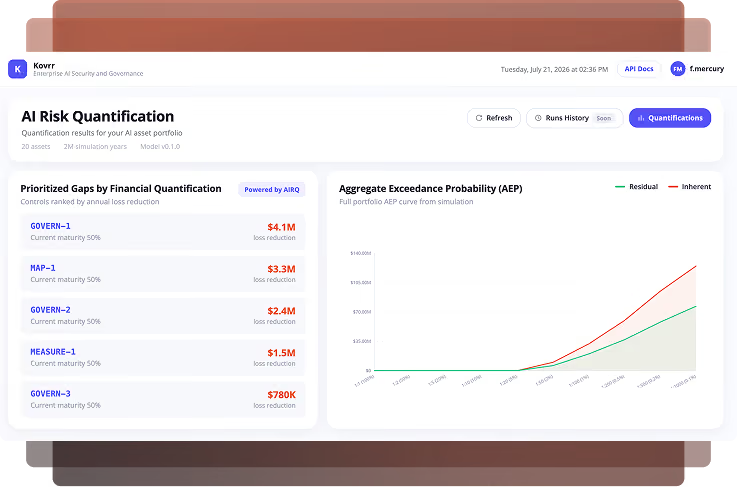
An AI asset inventory is a continuously maintained record of every AI system running in an organization — what it is, where it runs, what data it touches, who owns it, and what risk it carries. Unlike a one-time audit, it updates as tools appear and change, because compliance reporting, risk registers, and exposure calculations are only as accurate as the inventory beneath them.
How is an AI asset inventory different from a software asset inventory?
A software asset list tracks what IT purchased and provisioned. An AI asset inventory has to capture what is actually being used — tools accessed through personal accounts, AI features quietly enabled inside existing SaaS platforms, and models developers wired in without review. None of that appears against a purchase order, so procurement records alone will always understate the footprint.
How do you find shadow AI in your organization?
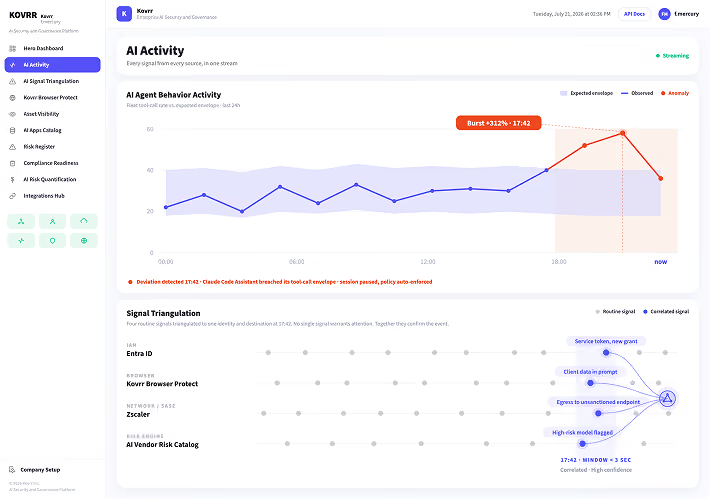
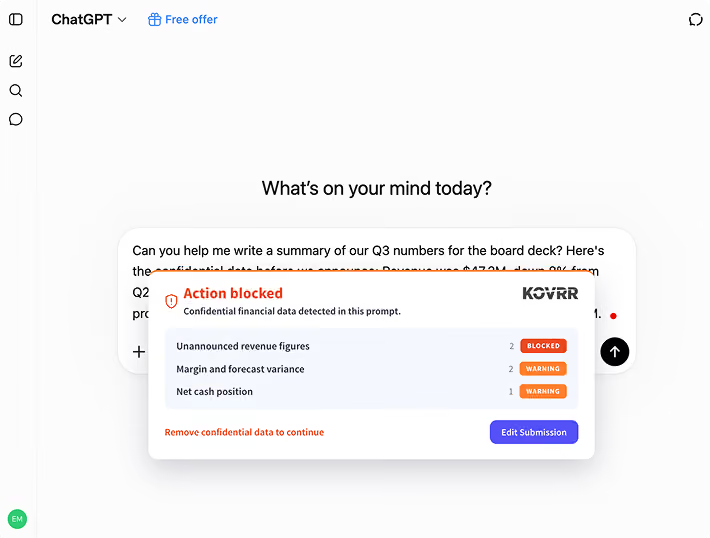
Through detection that doesn't rely on employees volunteering what they use. Network analysis surfaces traffic to unapproved AI services. Identity integrations reveal tools accessed with company credentials. SaaS platform monitoring flags AI features switched on inside software you already own. Browser-level monitoring catches AI that never touches the corporate network. No single method sees everything, so coverage across all four is what separates an inventory from a guess.
How should AI systems be classified for risk?
Classify each system by business criticality, data sensitivity, deployment model, and regulatory category. Under the EU AI Act, systems used for hiring, credit scoring, biometric identification, or critical infrastructure are high risk regardless of how routine they appear day to day. When classification flows directly from the inventory, compliance covers every system in scope rather than only the ones someone remembered.

