
Blog Post
AI Governance for Content Nobody Has Released Yet
September 18, 2026
Confidential data is usually something to protect indefinitely. Customer records, financial results, contract terms and personal information all need the same treatment next year as this year, so controls are judged on how well they hold over time.
Unreleased content is different in a way that changes the calculation. Its commercial value depends entirely on not existing publicly yet, and on release day that requirement disappears completely. The confidentiality has an expiry, and until then a single disclosure destroys value no response can recover.
Why Does the Expiry Change the Control Calculation?
Because a control's value is normally measured over its operating life, and here it only has to work until a date.
A measure reducing leak probability substantially over five years is a strong control for ordinary confidential data. For a production with an eight-week post-production window, what matters is reducing probability to near zero across those eight weeks and nothing afterward. Controls that are unaffordable as permanent policy become affordable as temporary measures, and the reverse holds too.
Which Controls Become Available?
The ones nobody would tolerate indefinitely. Blocking general-purpose AI tools entirely for a defined team over a defined period, requiring managed devices for a specific project, or restricting a workflow to an isolated environment are all impractical as standing policy and reasonable for a window with a known end. Framing them as project controls rather than security policy is what makes them acceptable to the people affected.
Why Doesn't Incident Response Help Here?
Because the primary loss cannot be reduced after the fact, which is unusual and worth stating plainly.
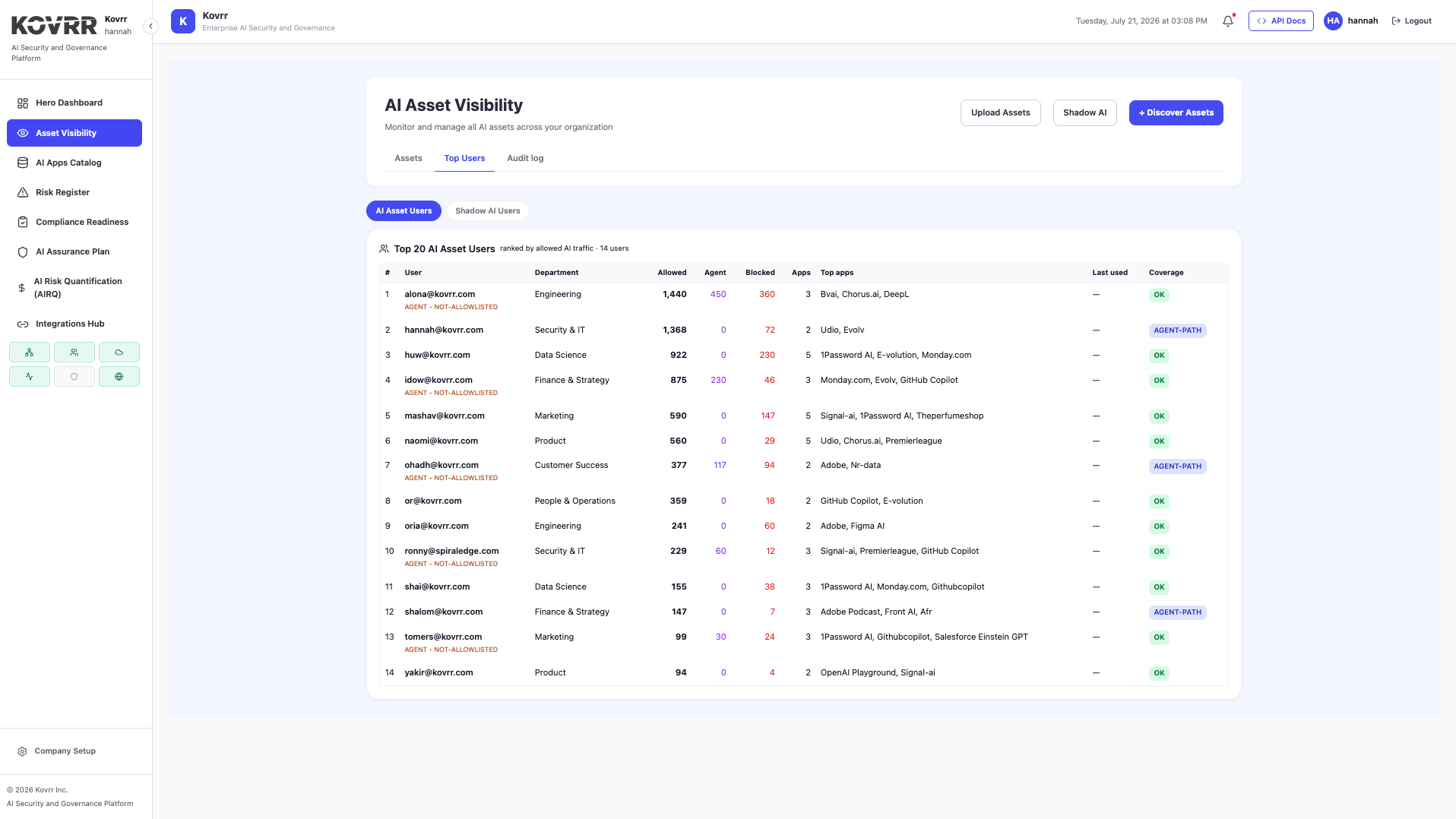
Most data incidents have a response that shrinks the consequence. Notification limits regulatory exposure, monitoring limits downstream harm, deletion demands and takedowns limit distribution, and legal action recovers something. A plot point that has been read cannot be un-read, and a leaked sequence circulating for an hour has already reached the audience whose surprise was the product.
Which Argues for an Unbalanced Budget
Guidance normally recommends investment across prevention, detection and response. Where response has close to no mitigating effect on the primary loss, that balance is wrong. Detection still matters for scoping and for the contractual conversation, and the money belongs on prevention during the window, which ranking by what each measure removes makes explicit.
Where Is the Exposure Concentrated?
In the least governed part of the pipeline, and the reason is structural rather than careless.
Post-production is deliberately fragmented. Visual effects, localization, sound and editorial are distributed across specialist vendors and freelancers because that is how capacity works in the sector. Those parties adopt their own tools, including AI tools, at their own discretion, so the people handling the most sensitive material sit outside the organization's own controls entirely. An AI data fabric covers what reaches the organization's own estate and not what happens on a contractor's laptop, which is a limit worth stating rather than assuming away.
Which Makes This a Contractual Problem First
An organization cannot deploy a browser control on a freelancer's laptop. What it can do is specify in the engagement which tools are permitted, require that material stays inside a supplied environment, and make the restriction a condition rather than a guideline. Assessing a supplier rarely reaches the question of which AI tools that supplier's contractors use.
What Does an AI Tool Do With the Material?
Two things that matter here, and both are properties of the tier rather than of the product.
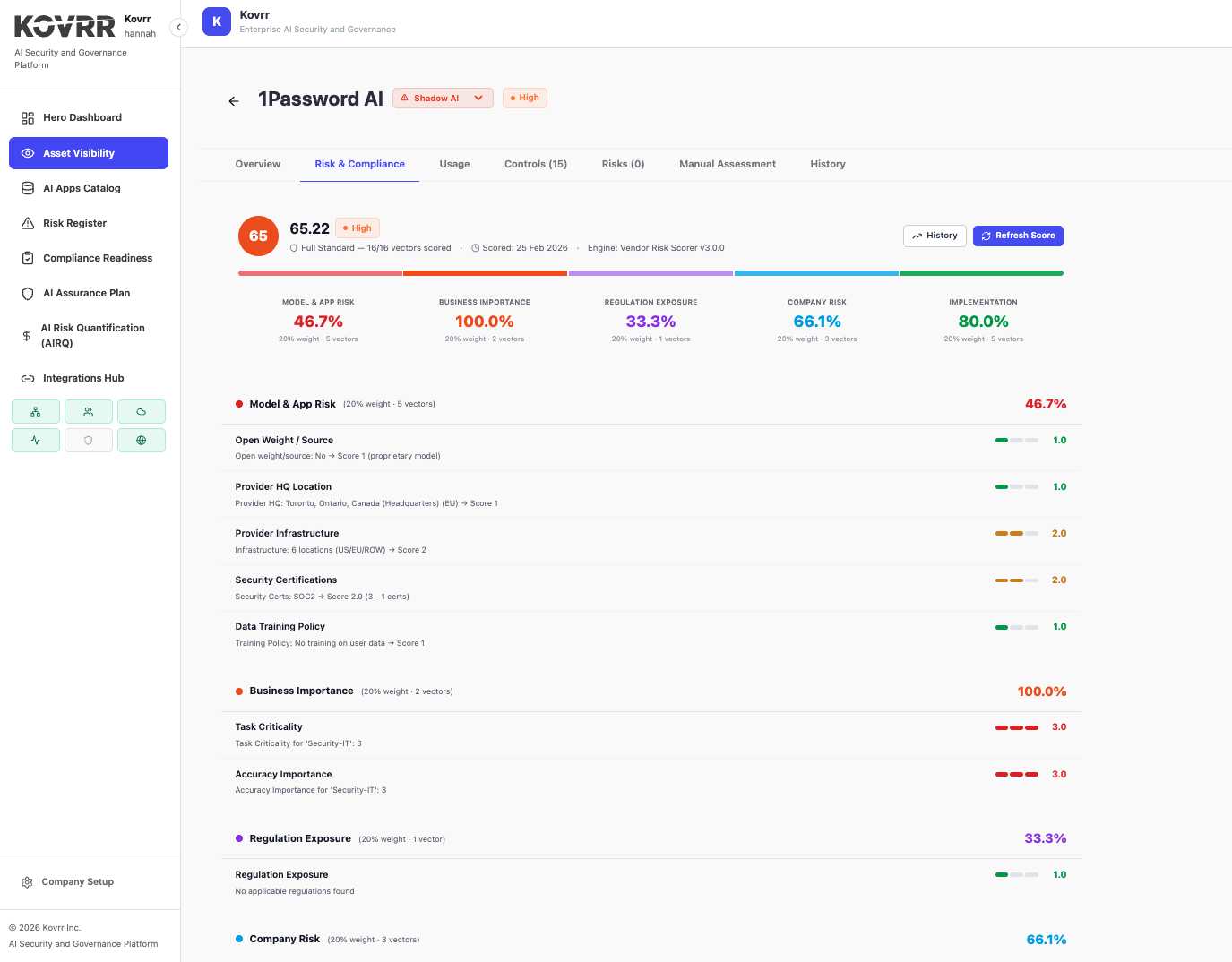
Whether submissions train the model, which on consumer tiers is frequently the default and which places material into a system nobody can extract it from. Then where processing occurs, since a tool routing content through infrastructure in another jurisdiction has moved the material somewhere the engagement terms may not contemplate.
Which Is Not the Same as a Leak
Worth separating, because the two need different treatment. Material absorbed into a model is not public, and it is also unrecoverable and outside the organization's control. Material posted publicly is the value collapse. The first is a contractual and confidentiality failure with uncertain consequence, and the second is the event the whole exercise exists to prevent. Which account a session ran under decides which of the two applies.
What Does the Loss Consist Of?
Three components, and only one resembles anything in a conventional cyber model.
Direct commercial loss is the first, being the difference between what the release earns and what it would have earned. Contractual consequence is the second, since distribution and licensing agreements carry exclusivity and confidentiality terms whose breach lets counterparties renegotiate or claim. Relationship loss is the third, since a production company that leaked one title finds the next engagement harder to win.
Which Component Is Largest?
Usually the contractual one, which surprises people who assume the box office effect dominates. A renegotiated distribution deal or a triggered indemnity is an immediate and quantified sum, where the commercial effect is contested and hard to attribute. Reading the exclusivity and confidentiality terms in the largest agreements produces a better figure than any estimate of audience behavior.
How Should the Exposure Be Modeled?
Per title with a date rather than per organization annually, which is a different shape from any standard loss model.
The same disclosure costs wildly different amounts depending on when it happens. Weeks before release is catastrophic, the day after is publicity, and the curve between those is steep rather than gradual. So the exposure at any moment is the sum across active productions of each one's value multiplied by its current position on that curve, and the annual figure is an aggregate over windows rather than a rate.
Which Makes the Release Calendar a Risk Input
A period with three high-value titles in final post-production carries an exposure several times that of a quiet quarter, and the difference is knowable months ahead. Aligning control intensity to the calendar rather than holding it constant is available to any organization that treats the schedule as a risk document, and cyber risk quantification built per title produces the ordering.
Does the Same Pattern Exist Outside Media?
In several places, and recognizing it is more useful than treating this as a sector peculiarity.
Unannounced financial results carry value that collapses on disclosure and expires at the announcement. Merger discussions have the same shape, with a hard date and a total loss of confidentiality value afterward. Unfiled patent applications and unlaunched products behave identically. Each is a case where a document is maximally sensitive for a known period and ordinary afterward.
The Control Pattern Transfers
Time-bounded restriction on a named population, framed as a project measure with a stated end date. A finance team in a closed period, a deal team during diligence and a product team before launch can all accept a restriction they would refuse permanently, and the acceptance depends on the end date being real.
What Do These Cases Share Technically?
The material is text, it is being drafted, and drafting is exactly what people reach for AI tools to help with. A results announcement, a diligence summary and a script are all documents somebody is writing under pressure, which puts them in the highest-risk category for an unsanctioned paste, and content reaching these tools one paste at a time describes the mechanism.
What Should Be Established First?
Four things, and the first is usually unknown.
Which AI tools are in use across the production pipeline including at vendors and freelancers, since the fragmented part is where the exposure sits. What each tool does with submissions at the tier in use rather than the tier available. Which titles are inside a pre-release window and what each is worth. Then what the largest distribution agreements say about confidentiality breach, since that is where the quantified consequence lives. An AI Interaction Data Fabric establishes the first two from observed activity rather than from a survey of contractors nobody can compel.
Protect It Until the Date, Then Stop
Pre-release content is a confidentiality requirement with an expiry, which inverts how controls should be chosen. Measures nobody would accept as standing policy are reasonable for a defined window, and the framing as a project control rather than a security rule is what makes them land. Incident response has close to no mitigating effect here, since a disclosure cannot be undone, so the budget belongs on prevention rather than split across the usual three. The exposure concentrates in the fragmented part of the pipeline where the organization has contractual reach and no technical reach. The largest loss component is also usually contractual rather than commercial. Kovrr's AI Security and Governance Platform records which AI tools handled which material and under whose account.
To see which AI tools your production pipeline reaches and what each does with submitted material, book a demo mapped to your own estate.

Pre-Release Content FAQs
Speak to an ExpertWhy does a confidentiality expiry change the control calculation?

Which controls become available for a bounded window?
Why doesn't incident response help with a pre-release leak?
Where is the exposure concentrated?
What does the loss consist of?
How should the exposure be modeled?