Blog Post
Cyber Loss When the Inventory Itself Perishes
October 5, 2026
An outage is normally modeled as deferred revenue. Production stops, orders wait, operations resume and some of the backlog is recovered by running longer.
Where the inventory perishes, none of that applies. The stock is destroyed during the incident, restoring the systems does not bring it back, and running longer afterward produces new product rather than recovering the old.
Which Line Does It Land On?
A different one, and the distinction is an accounting fact rather than a framing preference.
Destroyed stock is written off the balance sheet as a reduction in inventory and recognized on the income statement as a charge to cost of goods sold or a standalone casualty line. Interruption sits purely on the income statement as lost revenue and profit. One removes an asset and the other removes prospective earnings.
They Are Valued Differently
Destroyed stock is valued at cost, meaning what it takes to reproduce or re-buy it. Interruption is valued at the loss sustained, meaning selling price or expected profit less expenses that stopped. So the same physical event valued on the wrong basis produces a materially different figure, and the error runs in both directions.
Why Is Spoilage a Step Rather Than a Rate?
Because a threshold is crossed rather than a meter running, which changes the shape of the loss against duration.

Interruption accrues roughly linearly while the outage runs and stops when operations resume. Spoilage produces nothing until a time and temperature limit is breached, then produces the total value of everything in the affected chain. A short outage may cost nothing on that line and a slightly longer one may cost all of it.
Which Makes One Duration Figure Insufficient
The model needs the threshold, not just the expected outage length. An organization whose limit is four hours and whose recovery distribution is centered on three has a very different exposure from one centered on five, and the difference is invisible in an average, which interruption modeled as its own distribution sets out for the linear case alone.
What Triggers the Discard?
A documented excursion rather than observed deterioration, which is the mechanism most models miss entirely.
Food safety rules define time and temperature limits, and once a breach is recorded the product is discarded whether or not it has deteriorated. So the loss follows from the monitoring record, and an organization unable to demonstrate that temperature stayed in range discards on that basis alone.
Which Turns Monitoring Into the Loss Driver
If the monitoring system is what an attacker disrupts, the inability to demonstrate compliance causes the discard even where the refrigeration kept running. The exposure attaches to the record rather than to the physical condition, and a loss caused by inability to demonstrate rather than by damage is the same structure in another sector.
Do the Two Losses Compound?
They occur together and they add rather than substitute, which is the part a single-line model gets wrong.
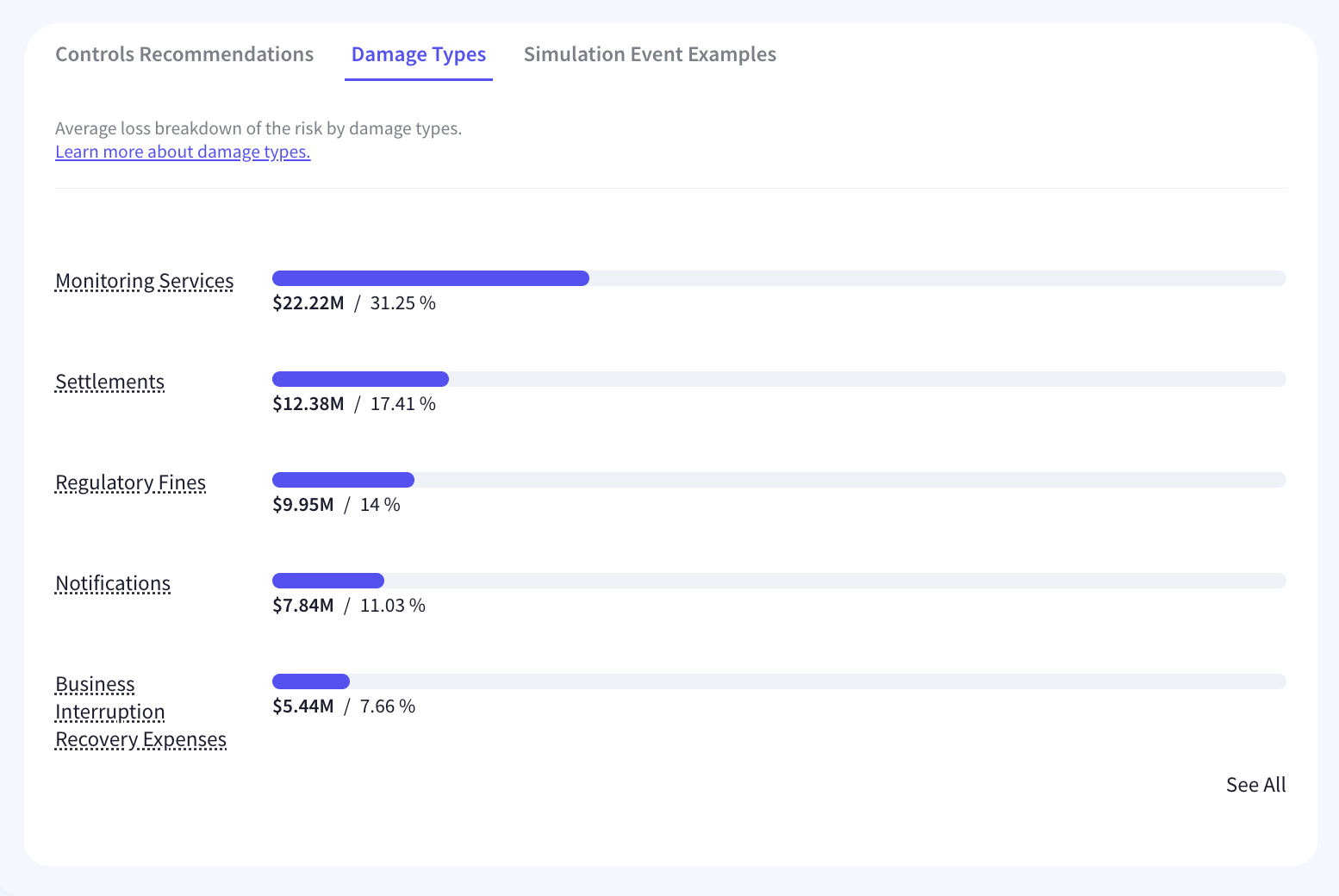
The same event destroys stock and halts production. The destroyed stock is a property loss valued at cost and the halted production is an interruption loss valued at margin, and a model recording only one has captured a portion of the event. Where the destroyed stock was already sold, contractual failure to supply arrives as a third line.
Which Order Should They Be Estimated In?
Spoilage first, because it is bounded and computable from inventory value and the threshold. Interruption second, because it depends on the recovery duration. Contractual exposure last, because it depends on what was committed and to whom.
Which Policy Responds?
Possibly neither cleanly, and this is the finding worth checking before an event rather than during one.
Destroyed stock is a property loss, covered under a deterioration of stock or spoilage extension on a property or inland marine policy. Interruption sits under a business interruption section. A cyber policy typically carries interruption cover and frequently excludes physical loss or damage, while a property policy generally requires a covered physical peril rather than a cyber cause.
What Should Be Asked at Renewal?
Whether spoilage caused by a cyber event is covered, and under which policy. The answer is frequently that neither responds without an endorsement, which makes the destroyed-stock line a retained exposure by default, and terms that surface at claim is where that gets discovered otherwise.
What About Restarting?
Longer than the systems recovery, for a reason specific to the sector.
A processing line following a food safety excursion may require cleaning, sanitation and verification before it can produce sellable product again. So the interruption continues past the point at which the technology is available, and the operational clock is set by validation rather than restoration.
Which Extends the Spoilage Window Too
Product arriving during the validation period has nowhere compliant to go, so incoming raw material may spoil after the outage has technically ended. The exposure runs past the incident, and resilience measured in operational terms rather than technical ones is what captures it.
Where Does the Loss Fall in a Supply Chain?
On whoever holds title at the moment of the excursion, which is a contractual question rather than an operational one.
Cold chain product moves through growers, processors, logistics providers and retailers, and title passes at defined points. An excursion in a third-party cold store destroys stock that may belong to the customer rather than the operator, so the physical loss and the financial loss can sit with different parties.
Which Makes the Operator's Exposure Contractual
A logistics provider whose systems failed did not lose its own inventory. It faces a claim from whoever did, bounded by whatever the storage agreement says about liability for temperature excursions, and provider-side exposure through contracts is the general form of that position.
What Should Be Checked in the Agreement?
Whether liability for excursion is capped, whether a cyber cause is excluded from that liability, and whether the monitoring obligation sits with the operator or the owner. The third decides who discards when a record is unavailable, and it is frequently unstated.
What Should Be Established?
Four figures, and three of them come from operations rather than security.
The value at cost of inventory in the affected chain at a typical moment, since that is the destroyed-stock ceiling. The time and temperature threshold that triggers discard, because it sets where the step falls. Whether the monitoring record alone can trigger a discard, since that widens the scenario set considerably. Then whether any policy covers spoilage from a cyber cause. Cyber risk quantification that models duration as its own distribution is what allows a step-shaped loss and a linear one to be combined, and exposure modeled by industry is where the threshold differs most.
Destroyed Stock Is Not Deferred Revenue
Perishing inventory is written off the balance sheet and charged as cost of goods sold or a casualty line, valued at what it costs to reproduce, while interruption sits on the income statement and is valued at selling price less expenses that stopped. So the same event valued on the wrong basis produces the wrong figure in either direction. Spoilage is a step against duration rather than a rate, producing nothing until a threshold is crossed and then producing everything in the chain, so the threshold matters more than the average outage length. The discard is triggered by a documented excursion rather than observed deterioration, so disrupting the monitoring causes the loss even where refrigeration kept running. Both losses also occur together and add. Kovrr's cyber risk quantification models duration as its own distribution.
To see a step-shaped destroyed-asset loss combined with a linear interruption loss, book a demo with our risk experts.

Perishable Inventory Loss FAQs
Speak to an ExpertIs destroyed inventory a business interruption loss?

How is destroyed stock valued compared with lost revenue?
Why is spoilage a step function of outage duration?
What triggers a food safety discard decision?
Does cyber insurance cover spoiled inventory?
Do spoilage and interruption losses occur together?