AI Security Posture Management That Keeps the Inventory Current
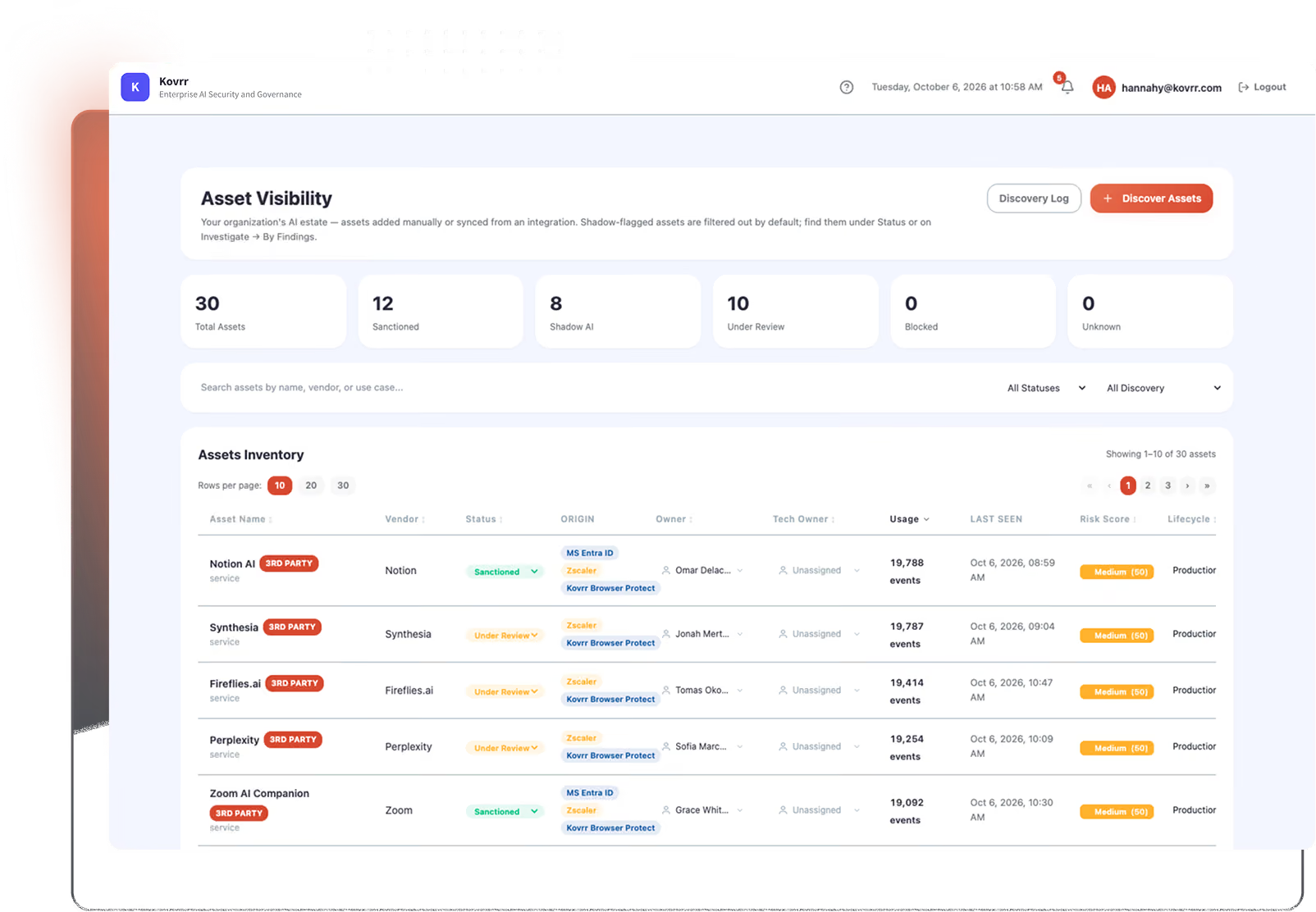
AI security posture management (AI-SPM) starts with discovery. Kovrr's AI Security and Governance Platform finds every AI system and autonomous agent through API connectors into the tools already deployed and through Kovrr's own collection points, then keeps each record current as tools appear, change tier, and fall out of use.

The Inventory Was Accurate the Day It Was Finished
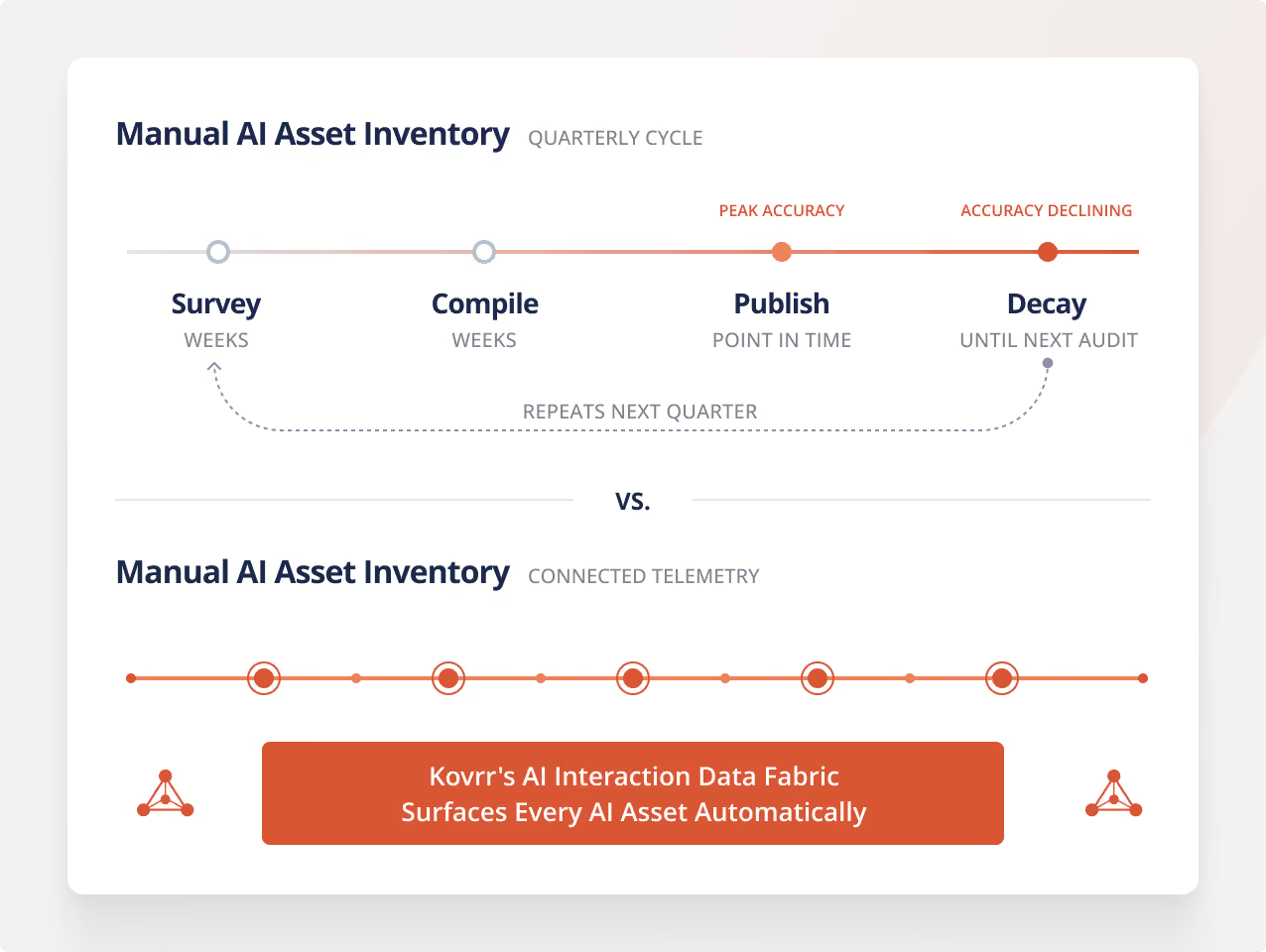
Manual AI inventories fail three ways.
1. Velocity Lag: A survey captures one point in time, and the environment moves immediately after. Enterprises run 3.2 times more AI tools than their registries reflect.
2. Coverage Limits: Discovery depends on what people know to report, and 89% of workplace AI use flows through approved platforms rather than rogue applications.
3. Invisible Arrivals: Vendors embed models through silent updates, so an application that was AI-free last quarter may process corporate data today.
How Kovrr's AI-SPM Discovers and Maintains AI Assets
Kovrr's AI Interaction Data Fabric treats inventory as a live output of telemetry across network, browser, endpoints, agents, cloud, LLMs, identity, and DLP.
Discovery Without a Survey: Assets appear through observed activity, whether sanctioned or shadow, internal or vendor-embedded.
Layered Source Coverage: Each source contributes what the others cannot, so an asset record holds what they establish together.
Detection Inside Sanctioned Tools: Personal-account sessions on licensed platforms surface as distinct from governed use.
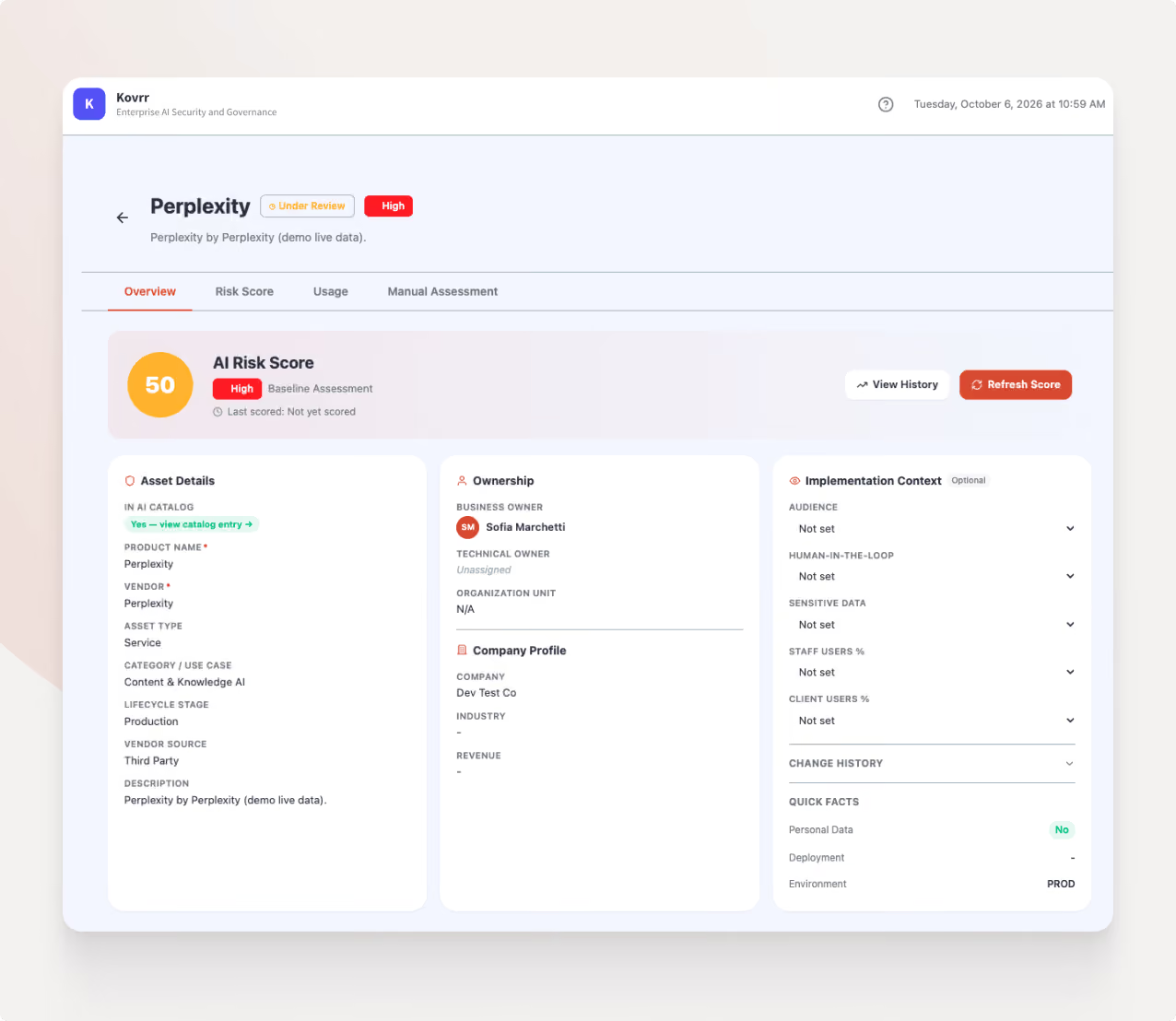
Risk Scoring at Discovery: Applications are scored against a catalog of 15,000+ for model risk and regulatory exposure.
Audit-Ready Classification: Every entry carries the classification and documentation the EU AI Act, NIST AI RMF, and ISO 42001 require.


See How Your AI Vendors Score
Bring your vendor list to a working session, and the team scores each one against the AI Vendor Risk Catalog, covering more than 15,000 AI applications on model risk, data and regulatory exposure, and company risk.


What a Live AI Asset Inventory Delivers
What Each Source Adds to the Record
Network
Al tool reached, two brief visits, volume reads negligible
Browser
AI Security Browser Extension
Sustained daily sessions on a personal account
Identity
No registered application, so no directory record exists
DLP
Client data classified in the submission
Endpoints
The application running locally on a managed device
Cloud
LLMs
Agents
Also integrated in the fabric. Not triggered for this asset.
Native collection
Third-party telemetry
AI Security Posture Management FAQs
Schedule a DemoWhat is AI security posture management?

How is AI-SPM different from a manual AI inventory?
How does Kovrr discover AI assets nobody reported?
What counts as one AI asset?
Does an AI inventory satisfy regulatory requirements?
How does the inventory connect to financial exposure?
