
Attack Surface
Attack surface is the total set of points where an unauthorized user could attempt to enter, extract data from, or otherwise affect an organization's information systems, spanning networks, applications, endpoints, identities, and third parties.
What Actually Counts as Attack Surface
Attack surface has expanded far beyond the perimeter it once described. Modern enterprise attack surface includes internet-facing infrastructure, cloud workloads, SaaS applications, employee endpoints, identity providers, third-party integrations, API endpoints, code repositories, and increasingly, AI systems and their connected tools.
Each category is dynamic. New endpoints spin up, new SaaS integrations are added, new APIs are exposed. Attack surface at any given moment is not a fixed map, it is a moving target.
Why Attack Surface Management Is Hard
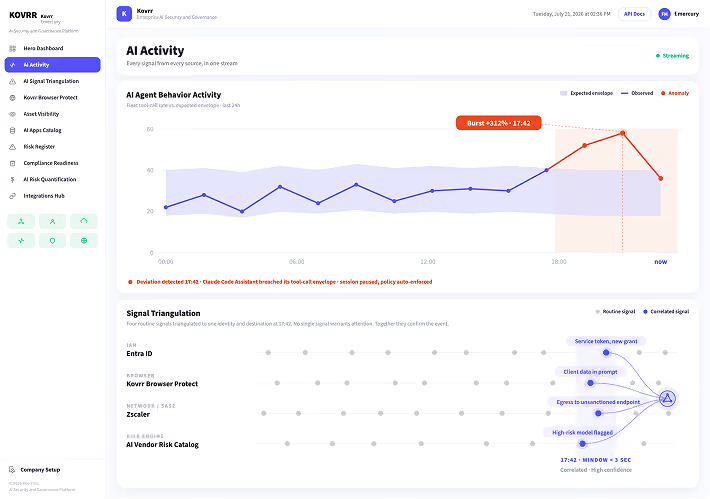
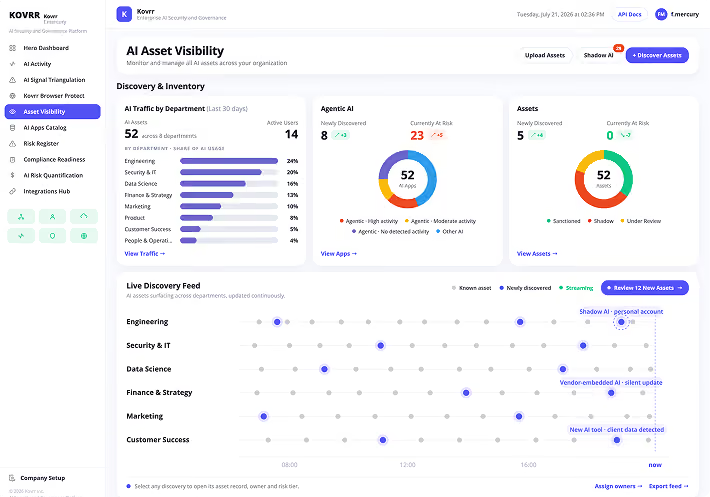
The core difficulty is visibility. Organizations discover assets they did not know existed with regularity, particularly cloud resources spun up outside standard procurement and SaaS applications adopted by employees without IT review. The attack surface an organization can see is not the attack surface it actually has.
See what keeps a CISO up at night: managing an expanding, evolving attack surface.
AI and the Expanded Attack Surface
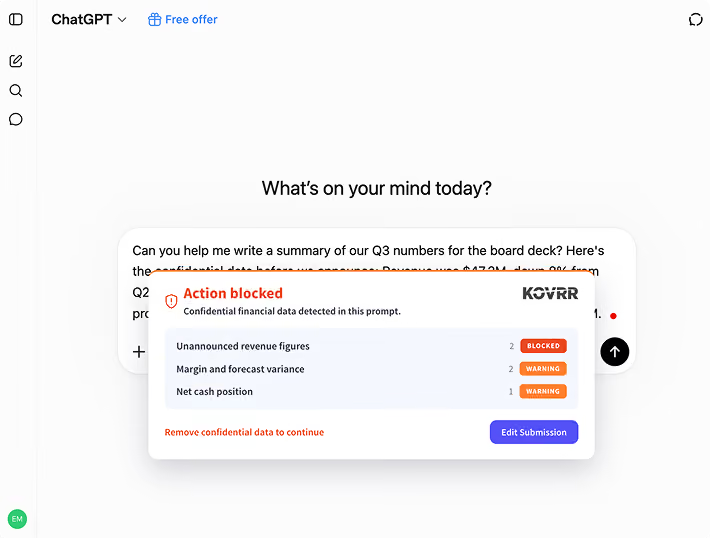
AI adoption has added new categories to enterprise attack surface: model interfaces, AI agent tool connections, prompt injection paths, and shadow AI use. See AI attack surface for the AI-specific dimensions.
Managing Attack Surface
Effective attack surface management combines continuous discovery, prioritization based on exploitability and business impact, and integration with the broader enterprise risk management function. Prioritization matters most, since not all attack surface is equally exploitable or equally consequential.
Related Terms


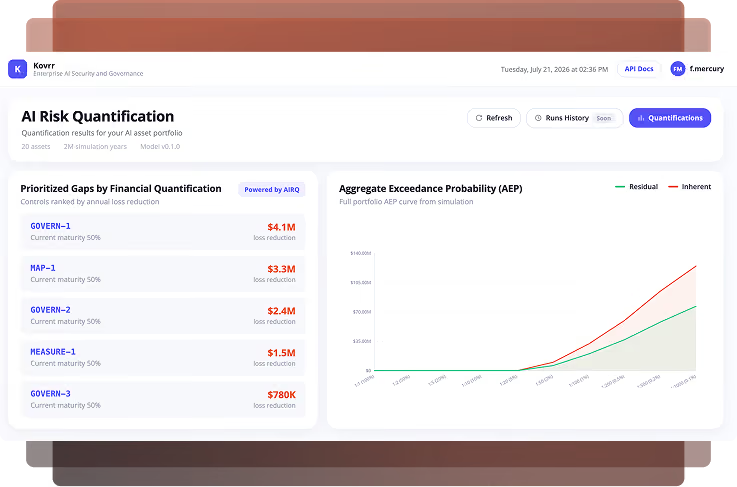
Turn Cyber Risk Into Financial Exposure the Board Can Act On
Security leaders are being asked to defend budgets, prioritize controls, and report cyber risk in the same terms as every other enterprise risk. Kovrr's CRQ Platform models loss scenarios, benchmarks control performance, and gives the C-suite a defensible view of where cyber sits on the balance sheet.