Shadow AI Detection Across Sanctioned and Unsanctioned Tools
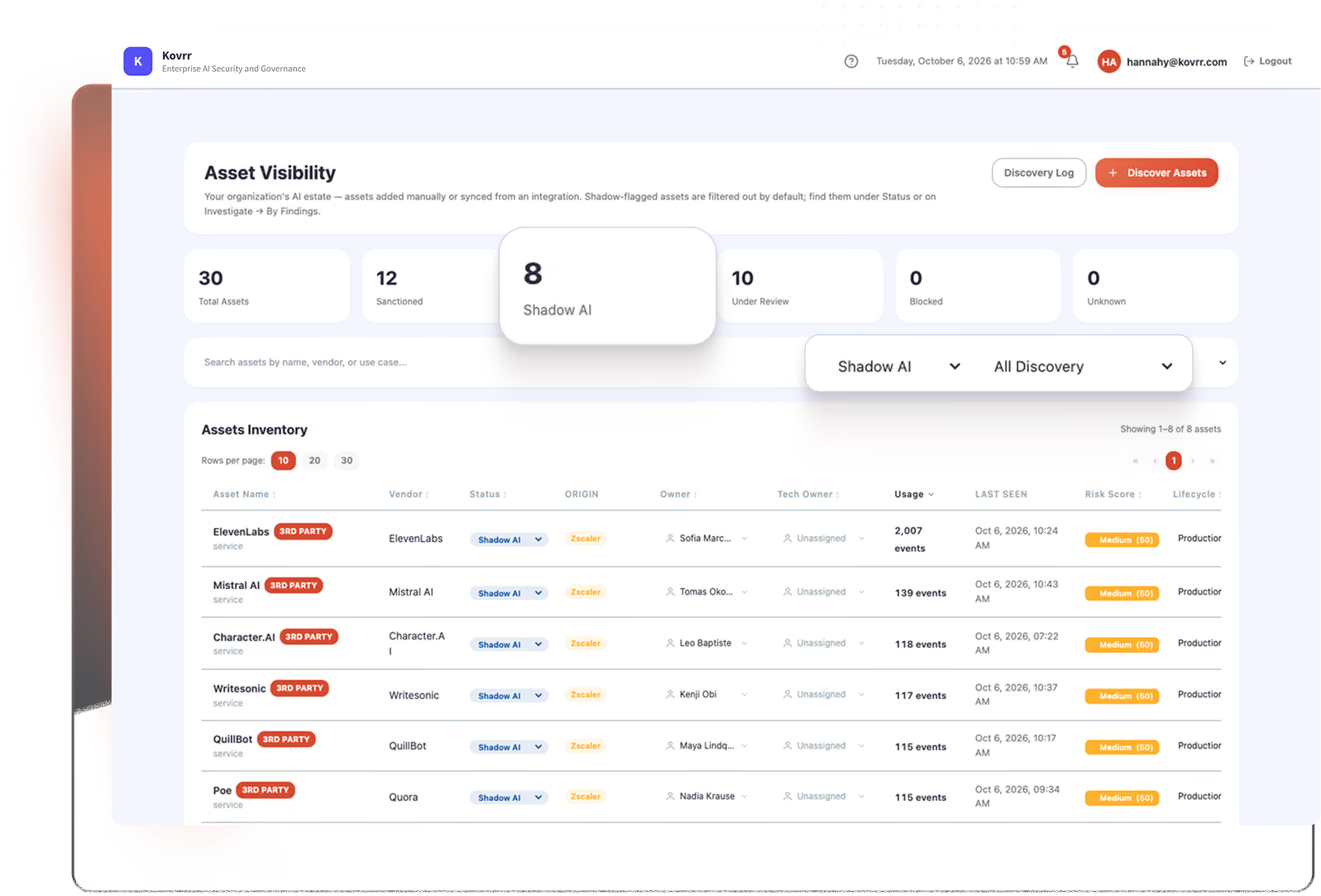
Most ungoverned AI use runs through applications the organization already approved, reached through personal accounts that no directory registers. Kovrr's AI Security and Governance Platform identifies shadow AI at the session level, whether a person or an agent opened the tool, resolving the account behind it, what data reached it, and whether an enterprise agreement covers what happened next.

The Tool Was Approved. The Session Was Not.
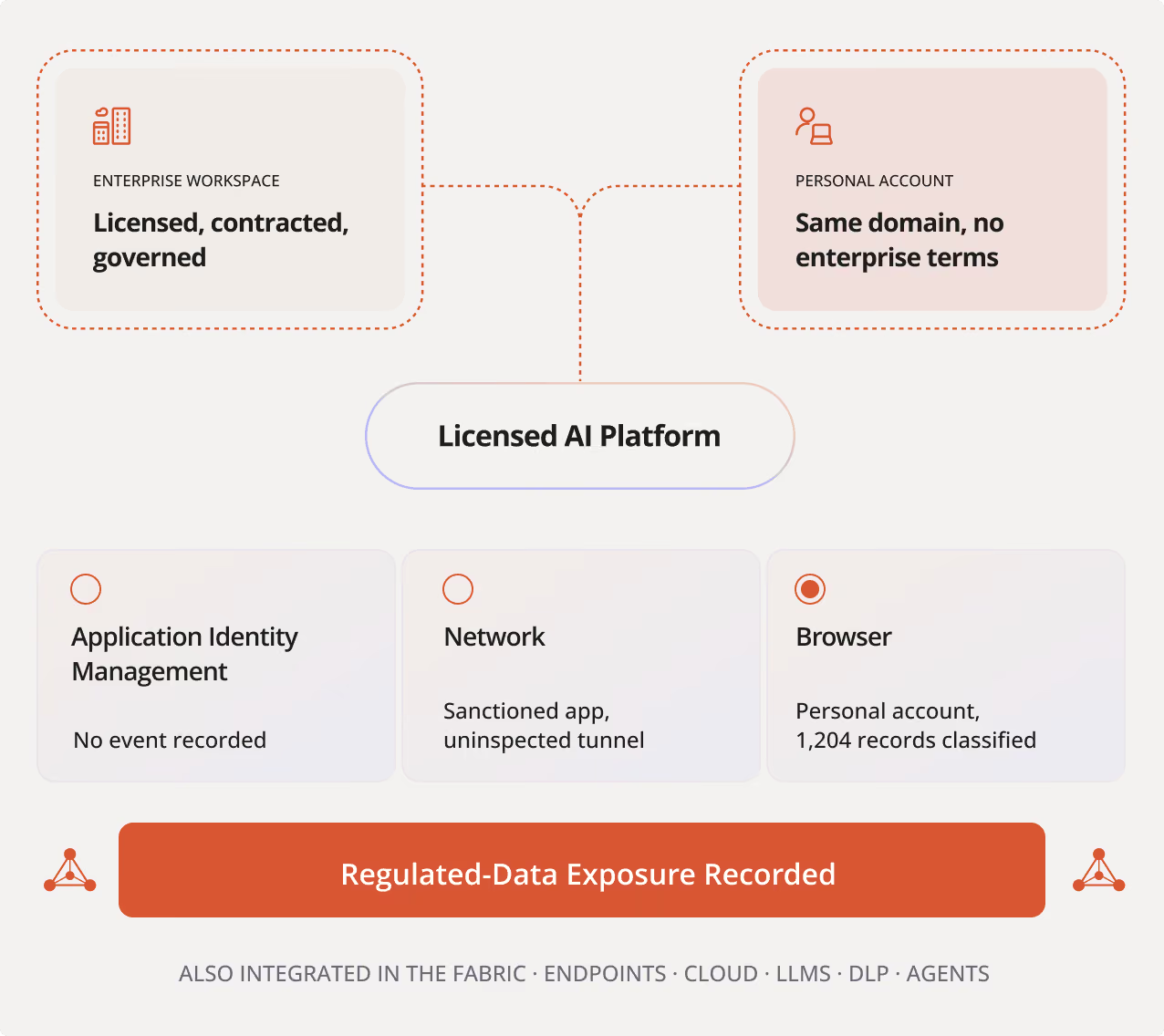
A personal-account session on a licensed platform defeats three controls at once.
Identity: No event is recorded because neither a personal account nor a service token is a registered application.
Network: The traffic resolves to a sanctioned app on an uninspected tunnel, indistinguishable from governed use.
Policy: Enterprise terms, retention, and legal hold cover the workspace and not the session.
How Kovrr Detects Shadow AI
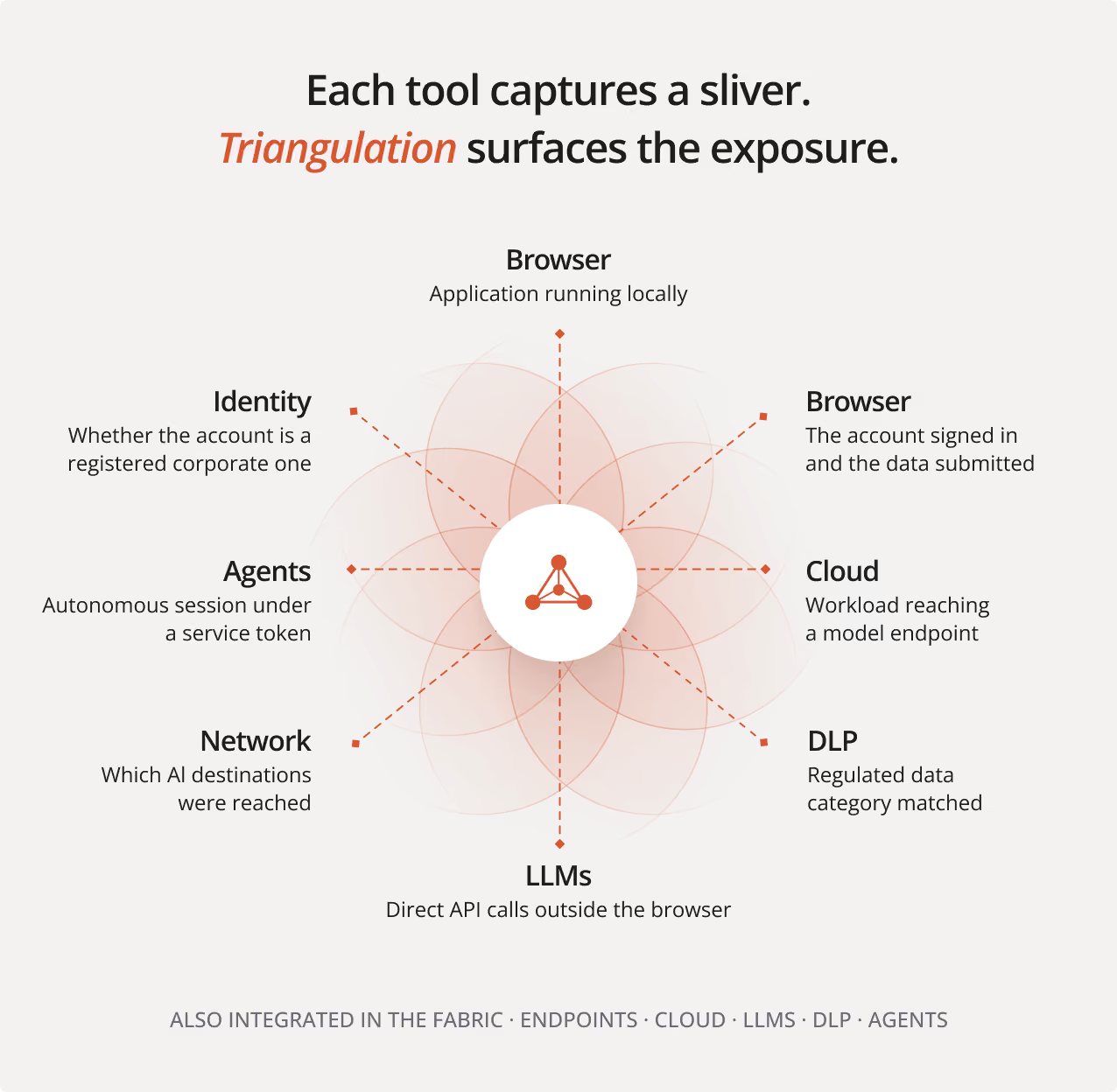
Kovrr's AI Interaction Data Fabric resolves shadow AI at the session level, whether a person or an agent opened it. Network traffic establishes the destination, identity signals name the principal, and the browser supplies the account and the data.
Account-Level Resolution: Sessions on a licensed platform are separated by the account behind them, corporate tenant or personal tier.
Detection Without Decryption: Findings hold where traffic is uninspected, because the browser reads what the tunnel conceals.
Data Classification at the Prompt: 500+ validated categories identify what reached each tool, matched deterministically.
Vendor Terms Resolved: The AI Vendor Risk Catalog supplies training, retention, and agreement status, so exposure is scoped.
Named Attribution: Anonymous AI sessions resolve to named users, including agent sessions running under a service token when no identity provider is recorded.
A Shadow AI Detection Traced Back Through Every Source
An issue in the AI Interaction Data Fabric Insights series works through one shadow AI detection end to end, naming what each telemetry source held, what it could not tell you, and where the exposure became reportable.

What Shadow AI Detection Delivers
Shadow AI Detection FAQs
Schedule a DemoWhat is shadow AI?
Shadow AI is any AI tool or service used inside an organization without governance oversight. The category covers unapproved applications, models embedded into products through vendor updates, agents deployed by individual employees, and personal-account sessions on platforms the organization licenses. That last category is the largest and the hardest to see, since the tool itself is approved. Background on the term is in Kovrr's shadow AI glossary entry and in shadow AI explained.
How is shadow AI detected?
Detection runs from telemetry rather than surveys. Network signals establish which AI destinations are being reached, identity signals name the corporate principal, and browser telemetry supplies the account tier and the data categories that entered each prompt. Triangulated, these separate governed use of an application from ungoverned use of the same one. More on the sequence in how to discover, monitor, and manage shadow AI.
Why doesn't network monitoring catch it?
A network log records the destination and the volume, not the session. A corporate workspace and a personal account on the same platform resolve to the same domain, the same certificate, and the same URL category, so no proxy field separates them. Where traffic is uninspected the payload is opaque as well. The discriminator lives inside the authenticated session, which is why the browser is the detection layer.
Can shadow AI agents be detected?
Yes. An agent deployed without review authenticates with a service token rather than a user login, so no directory holds a record of it and no identity event marks the session. Detection resolves the token back to the person who authorized it and the systems it reached, which is the same triangulation that separates a personal-account session from a governed one. Agent behavior over time is covered on the Govern AI Agents page.
What happens after shadow AI is found?
Findings enter the AI asset record automatically and flow into existing SOC tooling and the AI Risk Register. Each carries the account, the data categories, and the vendor terms, which is what scopes the notification question. Ongoing coverage matters as much as the initial discovery, a point developed in shadow AI monitoring after discovery.
What does shadow AI cost?
Industry analysis puts breaches involving shadow AI at an average of $4.63 million, roughly $670,000 above the standard incident, with one in five breaches now involving ungoverned AI. Kovrr's AI Risk Quantification models that exposure against an organization's own environment rather than an industry average.