
Autonomous AI System
An autonomous AI system operates and makes decisions without direct human intervention at each step, executing multi-step tasks based on defined objectives, learned behaviors, and access to tools or actions.
The Spectrum of AI Autonomy
Autonomy is a spectrum, not a binary. At one end are AI systems that require explicit human approval for every action. At the other are systems that operate for extended periods without human oversight. Most enterprise AI systems sit somewhere between, with different levels of autonomy for different action types.
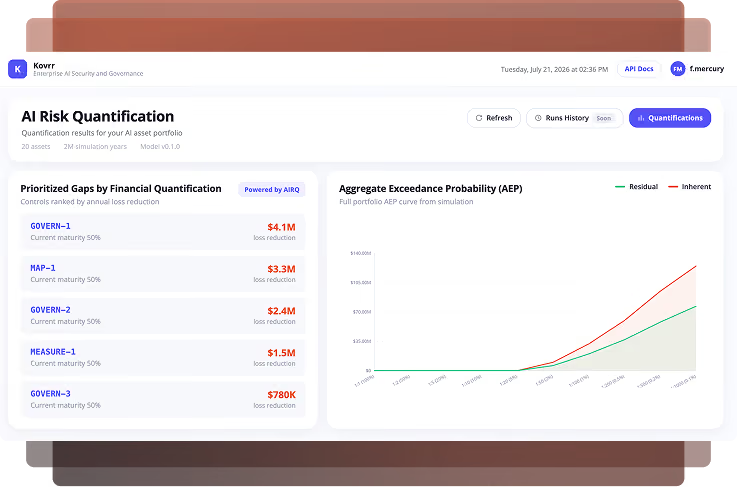
The autonomy level of a system is a primary input to its risk profile. A system with high autonomy and a broad blast radius is a fundamentally different risk than a system with the same capabilities but human-in-the-loop approval on high-impact actions.
Autonomous vs. Agentic
Autonomous AI systems and agentic AI overlap heavily. Most agentic AI systems are autonomous to some degree. Not every autonomous system is agentic in the modern sense (a scheduled ML classifier that runs without human review is autonomous but not what most people mean by "agentic").
Governing Autonomous Systems
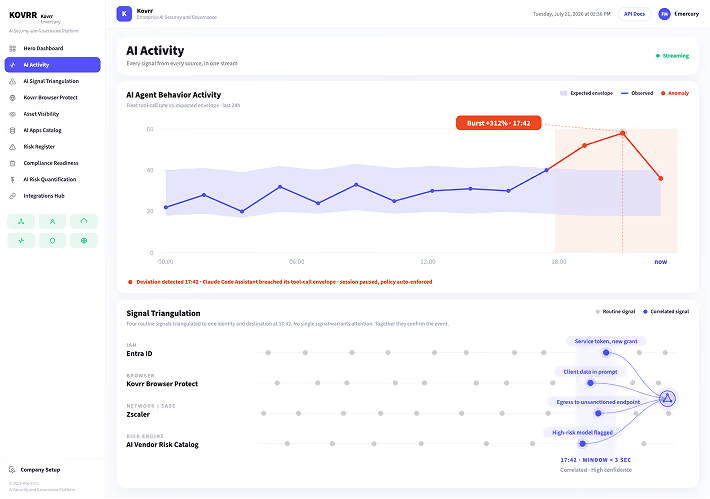
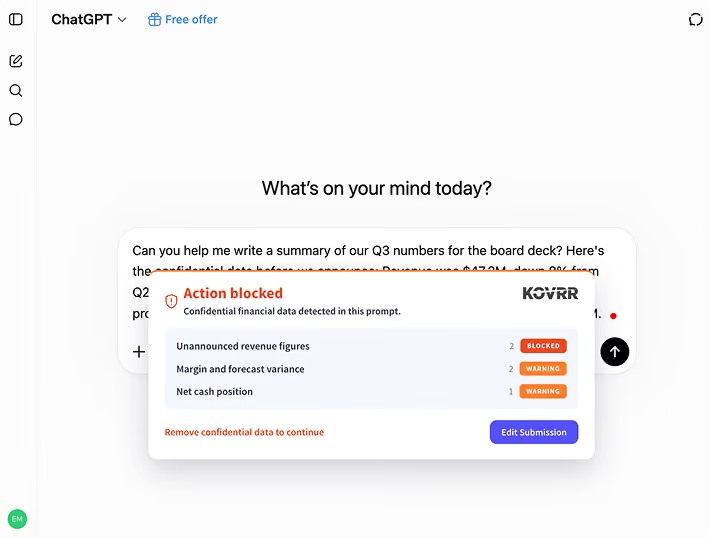
Effective governance of autonomous systems typically includes clear definition of what actions the system can take autonomously versus what requires approval, human-in-the-loop or human-on-the-loop checkpoints for high-impact actions, continuous monitoring of system behavior, and clear rollback procedures when a system takes an unintended action.
Related Terms


Full AI Visibility. Full Control. One Connected Platform.
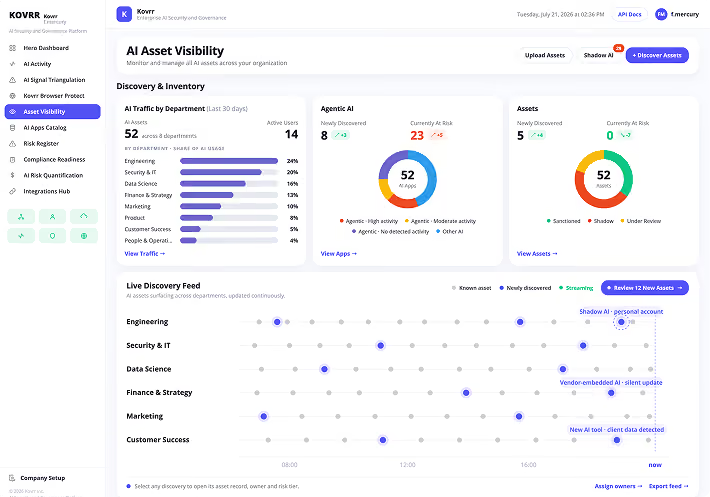
Enterprise AI is expanding faster than most governance programs can track. Kovrr connects every AI signal across browser, endpoint, network, identity, and vendor systems into a single platform so security, governance, and risk teams work from the same evidence.