
AI Transparency
AI transparency is the practice of disclosing meaningful information about AI systems, including their intended use, training data, capabilities and limitations, and the logic behind their outputs and decisions.
What Transparency Requires
Transparency operates at several levels. At the system level, transparency means disclosing that AI is being used, for what purpose, and by whom. At the output level, it means providing information about how a specific decision or output was produced. At the process level, it means documenting how the system was designed, trained, tested, and monitored.
Transparency is closely related to but distinct from explainability. Explainability answers "why did the system produce this specific output." Transparency answers the broader question of "what does the organization know and disclose about this system."
Why Transparency Is a Regulatory Requirement
The EU AI Act's Article 50 imposes specific transparency obligations on providers and deployers of certain AI systems, including disclosure of AI-generated content and disclosure of AI use in specific contexts. Sectoral regulations require transparency about automated decisions in credit, employment, and insurance. GDPR requires transparency about automated processing.
Beyond regulation, transparency is a customer and stakeholder expectation. Enterprises increasingly disclose AI use to customers and employees as a matter of practice, not just compliance.
Transparency in an AI Program
A mature program produces transparency through documentation (model cards, impact assessments, technical documentation) and through disclosure (labeling AI-generated content, notifying affected individuals, publishing summaries of AI use). Both matter, and both feed into AI assurance.
Related Terms


Full AI Visibility. Full Control. One Connected Platform.
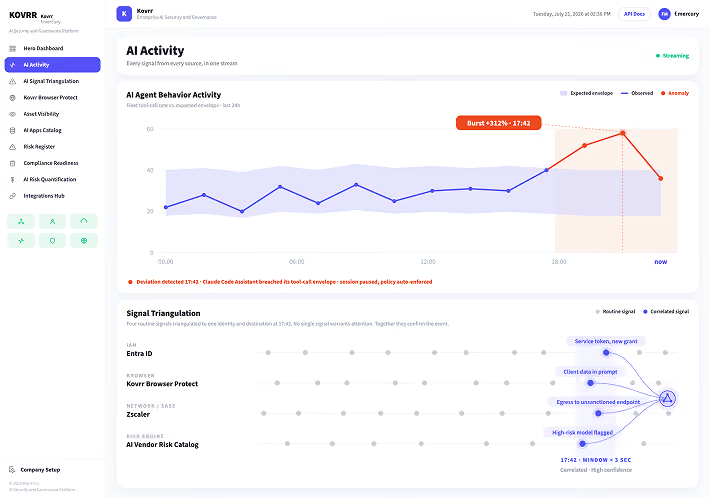
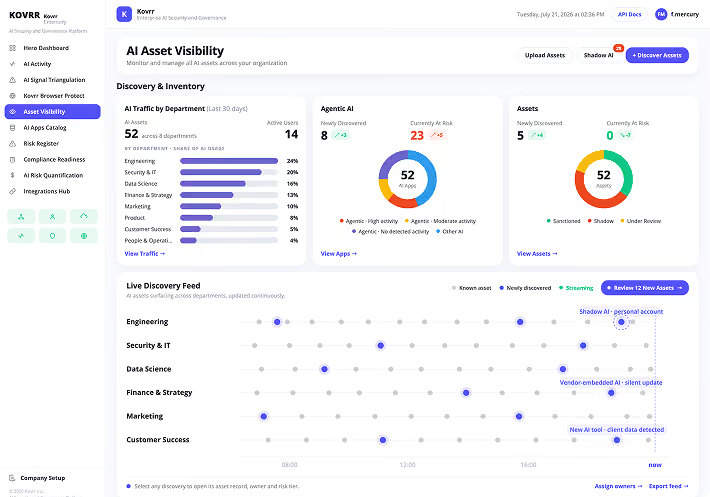
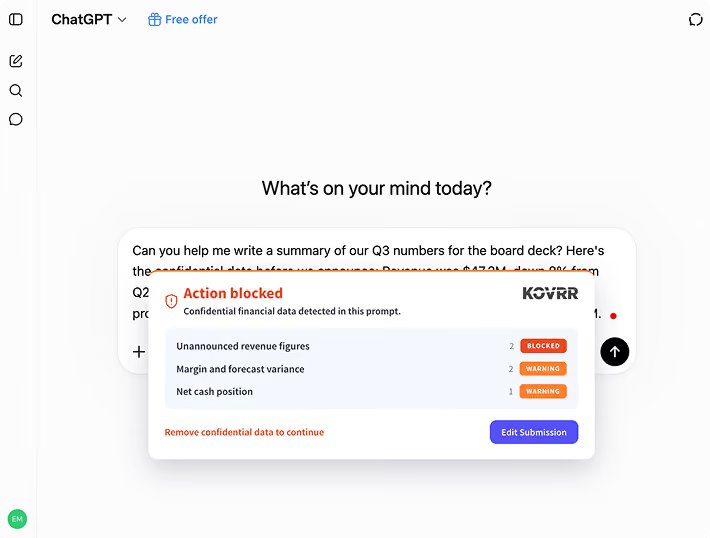
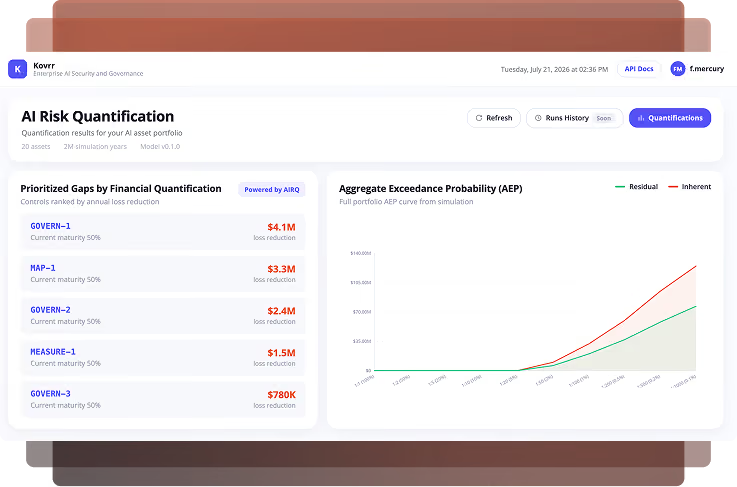
Enterprise AI is expanding faster than most governance programs can track. Kovrr connects every AI signal across browser, endpoint, network, identity, and vendor systems into a single platform so security, governance, and risk teams work from the same evidence.