
Model Card
A model card is a structured document describing an AI model's intended purpose, capabilities, limitations, evaluation results, training data characteristics, and appropriate use cases, produced by the model developer for downstream users.
What Model Cards Include
A standard model card typically covers several sections: intended use and out-of-scope uses, model architecture and training approach, training data characteristics and provenance, evaluation results across relevant metrics including fairness and safety, known limitations and failure modes, and considerations for downstream deployers.
The format was proposed in 2019 and has been adopted broadly. Most major LLM providers now publish model cards for their released models.
Why Model Cards Matter for Enterprise AI
Model cards are the primary technical documentation enterprises use to evaluate whether a foundation model is appropriate for a specific use case. Under the EU AI Act, GPAI providers must produce documentation that meaningfully overlaps with model card content. Under enterprise AI TPRM, model cards are often required deliverables from AI vendors.
Model Cards and Governance Programs
Model cards feed into the AI asset inventory as reference documentation for each deployed model. They also inform AI impact assessments, since the model card documents what the model is designed to do and what its known limitations are.
Related Terms


Full AI Visibility. Full Control. One Connected Platform.
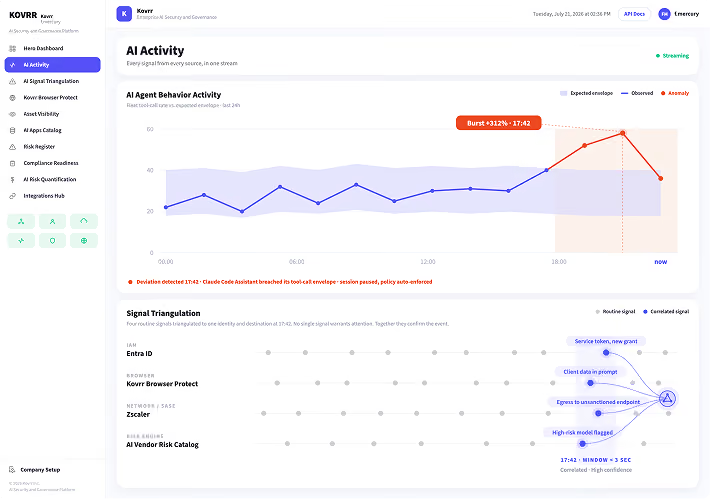
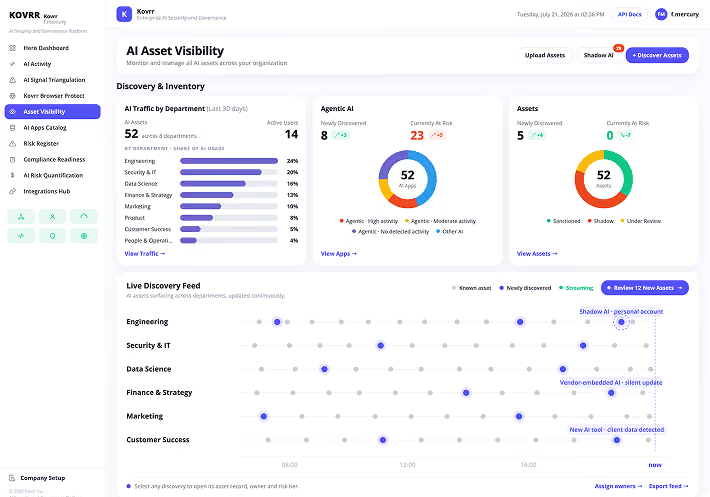
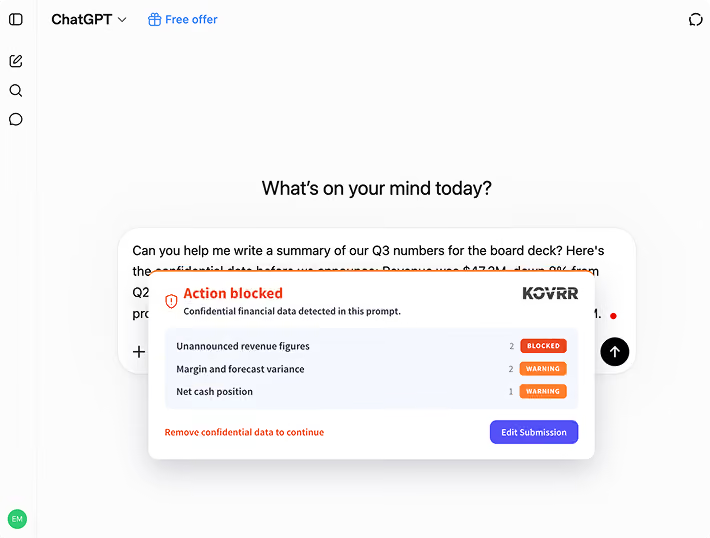
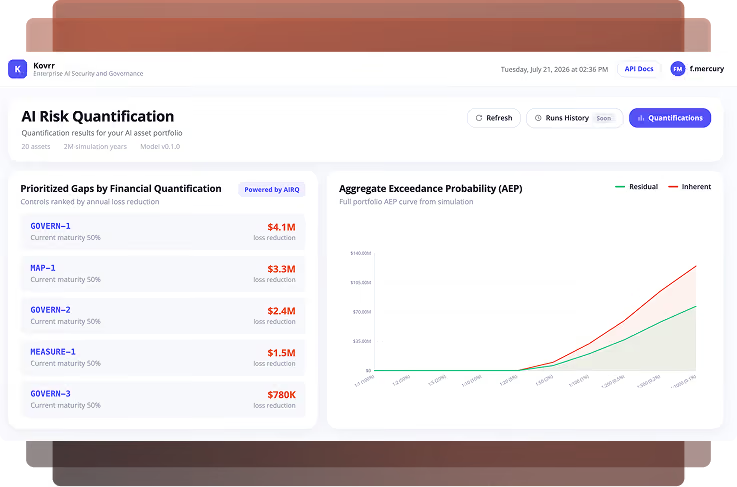
Enterprise AI is expanding faster than most governance programs can track. Kovrr connects every AI signal across browser, endpoint, network, identity, and vendor systems into a single platform so security, governance, and risk teams work from the same evidence.